Why This Question Matters in Plainview
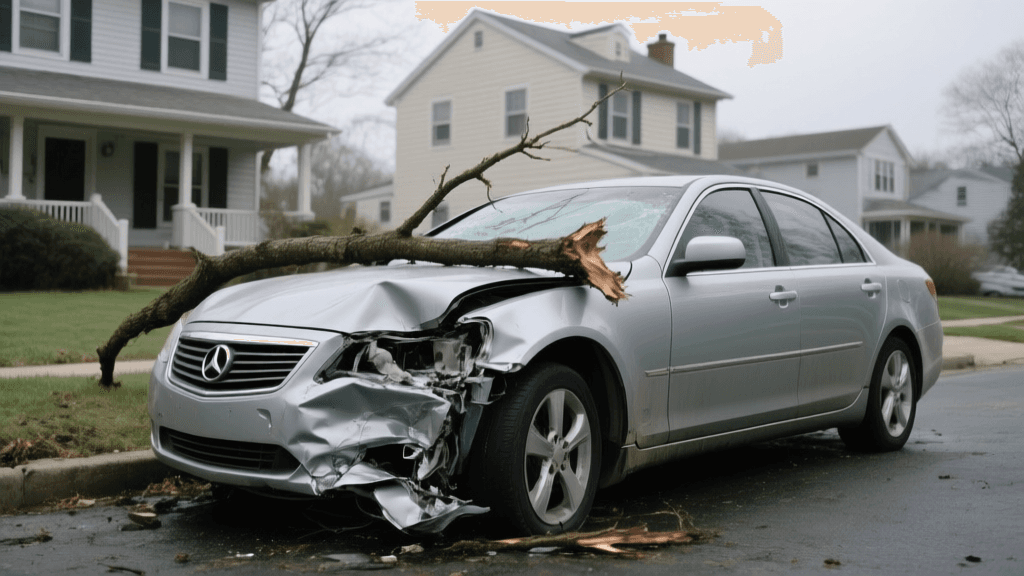
Collision coverage pays for damage to a driver’s own vehicle after an accident involving another car or an object, regardless of fault, minus the deductible. For many Plainview drivers, the hard part is not understanding what collision coverage does, but deciding whether it still makes financial sense. That question matters because premiums, deductibles, vehicle values, and commuting patterns all change over time. A driver with a newer SUV used daily on the Long Island Expressway may see the value immediately, while someone with an older paid-off sedan may reach a different conclusion. The right answer depends on risk, budget, and how much loss a household could absorb after a crash.
Why Collision Decisions Are More Nuanced Than They Look
Many people assume full coverage is always the safest option, but collision coverage is really a cost-benefit decision. In and around Plainview, drivers deal with crowded shopping areas, parking lot dings, stop-and-go traffic, and regular commuting toward nearby business corridors. Those local conditions increase the chance of damage even for careful drivers. At the same time, insurance should match the car’s actual value, not just habit. If a vehicle’s market value has dropped sharply, the maximum possible payout may be far less than expected after the deductible is subtracted. That is why reviewing collision coverage every renewal period can be just as important as shopping rates.
Start With the Value of the Car
A practical way to evaluate collision coverage is to compare the annual premium and deductible against the current value of the vehicle. If a car in Plainview is worth $28,000 and the driver would struggle to replace or repair it after an accident, collision coverage often makes clear sense. If the car is worth $4,000 and carries a $1,000 deductible, the possible benefit is much smaller. In that case, a claim payment after a serious loss may not justify years of premium cost. Drivers should think in real numbers, not original purchase price, because insurance settlements are based on actual cash value, not what the car cost several years ago.
Loans and Leases Usually Set the Answer
For drivers financing or leasing a vehicle in Plainview, the choice is often simple because lenders and leasing companies usually require collision coverage. They want the car protected until the contract is paid off. Even if the premium feels high, dropping the coverage may not be allowed. This is especially common with newer vehicles driven between Plainview, Melville, Hicksville, and Jericho for work or family errands. In those cases, the better question is not whether to keep collision, but whether the deductible is set at a level the driver could comfortably pay after a crash. That adjustment can sometimes improve affordability without giving up the protection entirely.
Think About How and Where the Car Is Driven
Collision coverage becomes more valuable when a vehicle is used often, driven in dense traffic, or parked in busy areas. A Plainview resident who commutes daily, makes school pickups, shops along heavily traveled retail corridors, or regularly drives through Bethpage, Farmingdale, and Levittown faces more exposure than someone who uses a second car only occasionally. Even low-speed accidents can create expensive repair bills because modern bumpers, sensors, cameras, and headlights cost more than many drivers expect. A minor parking lot impact that once meant basic body work can now involve calibration and electronic parts. The more frequently a vehicle is on the road, the easier it is to justify collision coverage as protection against repair costs.
Deductibles Can Change the Equation
The deductible plays a major role in whether collision coverage feels worthwhile. A lower deductible means less out-of-pocket cost after an accident, but it also means a higher premium. A higher deductible can reduce premium cost, though it only works if the driver has enough savings to handle that amount without financial stress. For Plainview households, this is often the middle ground that makes collision coverage more practical. Instead of dropping the coverage completely, some drivers choose a deductible that aligns with their emergency fund. The key is honesty about cash flow. If paying the deductible would be difficult, the policy may look good on paper but still leave the household vulnerable after a claim.
Local Factors That Matter Around Plainview
Plainview drivers are not making this decision in a vacuum. Local roads connect quickly to busier Nassau and western Suffolk routes, and many households spend plenty of time driving between residential neighborhoods, commercial centers, and parkways. Short trips do not eliminate risk because many accidents happen close to home, often during routine errands. In nearby areas such as Syosset, Woodbury, Oyster Bay, and Huntington, congestion patterns and parking conditions can add to the likelihood of fender benders or backing accidents. Seasonal weather also matters. Rain, early darkness, and winter road conditions can all increase the chance of a collision, even when speeds are relatively low.
Key Takeaways for a Smart Decision
What Plainview Drivers Should Review
- Compare the car’s current market value to the yearly cost of collision coverage and the deductible, not the original purchase price.
- Keep collision coverage if the vehicle is financed or leased, since the lender or leasing company will usually require it.
- Consider how often the car is driven through Plainview, Bethpage, Hicksville, and other busy nearby areas where accident exposure is higher.
- Review whether the deductible matches available savings, because an unaffordable deductible can weaken the value of the coverage.
- Revisit the decision regularly as the vehicle ages, loan balance changes, and premium costs shift at renewal time.

When It Often Makes Sense to Keep or Drop Collision
Collision coverage often makes sense for Plainview drivers with newer cars, limited savings, regular commuting needs, or vehicles that would be expensive to repair or replace. It may make less sense for older paid-off cars with low market value, especially when the premium and deductible together approach a large share of what the car is worth. There is no universal cutoff, which is why drivers should estimate the worst-case loss and ask whether they could absorb it comfortably. If the answer is no, collision coverage may still be doing important work. If the answer is yes, adjusting or removing it may be a reasonable way to control insurance costs.
Compare the Risk Before You Decide
Before changing coverage, review the car’s value, loan status, deductible, and daily driving pattern so the decision fits real conditions in Plainview.
Get a Free Quote