Why Plainview Drivers Ask About These Two Coverages
Many car owners in Plainview know they need insurance, but the difference between collision and comprehensive coverage is not always obvious until a claim happens. Both cover damage to your own vehicle, which is why they are often discussed together, yet they respond to very different events. If a driver hits another car in a crowded shopping center lot, that is usually a collision issue. If a tree limb falls during a storm or a vehicle is stolen from a driveway, that is typically a comprehensive issue. Understanding the split matters because it affects premiums, deductibles, and how well a policy matches daily life in Plainview and nearby communities like Bethpage and Hicksville.
Why This Topic Matters on Long Island
For Plainview car owners, vehicle damage risks come from more than just traffic. Nassau County drivers deal with busy parkways, tight parking areas, winter weather, heavy rain, fallen branches, vandalism, and occasional animal strikes. Those are not all handled by the same part of an auto policy. Collision coverage is generally tied to crashes and impacts involving your vehicle, while comprehensive usually handles non-collision losses. Because many local households rely on their cars for commuting to places like Melville, Jericho, and Huntington, a coverage gap can become expensive very quickly. That is why comparing these options before a loss, not after, is one of the smartest insurance steps a driver can take.
What Collision Coverage Usually Pays For
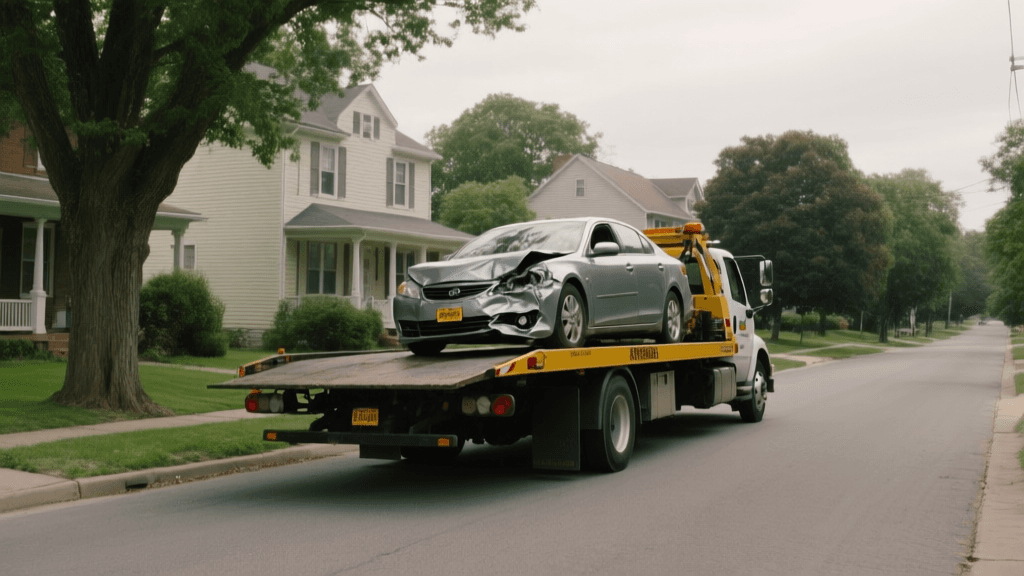
Collision coverage generally helps pay to repair or replace your vehicle after an accident involving another car or an object, regardless of fault rules within your policy terms. Think about backing into a pole in a Plainview parking lot, sliding into a guardrail during icy weather, or getting hit while turning through a busy intersection near local retail and commuter routes. In each of those situations, the damage comes from impact, which is the key feature of collision coverage. It usually applies after your deductible, so a higher deductible may lower your premium but increase your out-of-pocket cost after a crash. This is especially important for newer vehicles or cars that would be costly to repair with modern parts and sensors.
What Comprehensive Coverage Usually Pays For
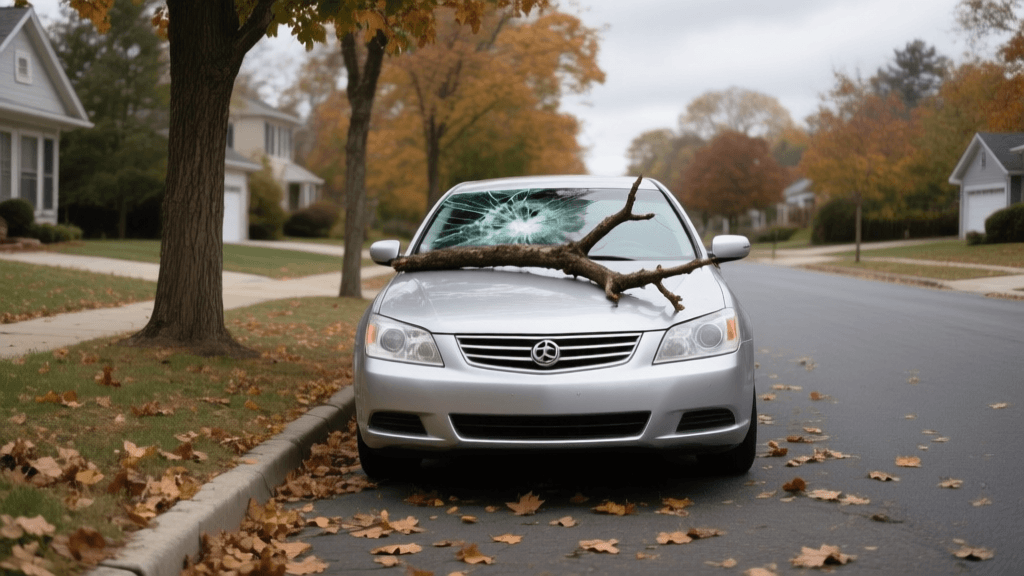
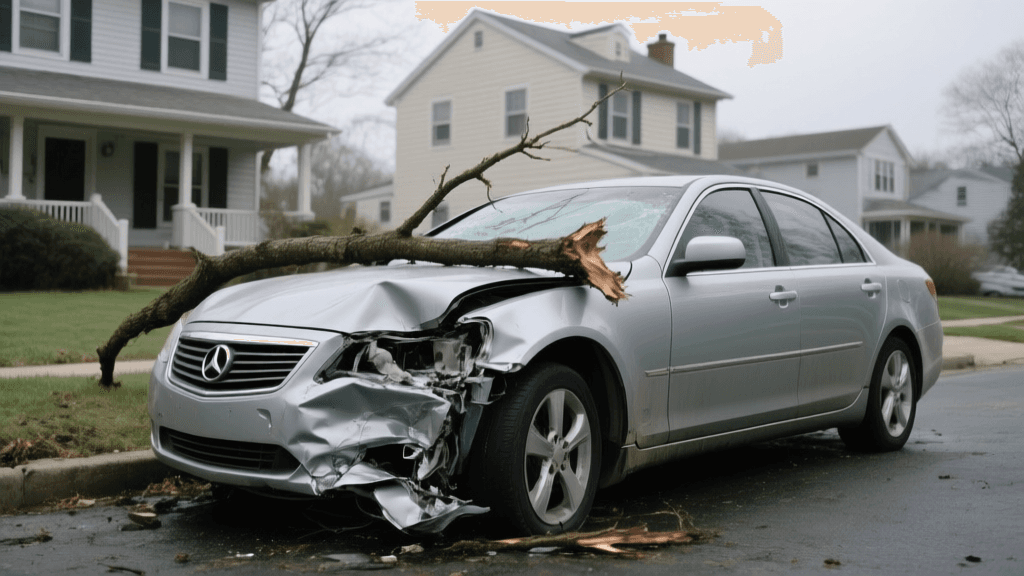
Comprehensive coverage is usually designed for damage that happens without a collision. Common examples for Plainview drivers include theft, vandalism, fire, glass damage, hail, flooding, and falling objects such as branches after a strong storm. If a windshield cracks from road debris or a car is damaged by severe weather moving through Nassau County, comprehensive is often the coverage that responds. It can also matter for drivers who park outside overnight in Plainview, Woodbury, or Syosset, where exposure to weather and incidental property damage may be higher than for garage-kept vehicles. Like collision, comprehensive generally comes with a deductible, so the right amount depends on both budget and the value of the car.
The Biggest Difference Is the Cause of Loss
The easiest way to compare these coverages is to ask one question: did the damage happen because the car collided with something, or because of something else? If the answer is impact, collision is usually the starting point. If the answer is theft, weather, vandalism, glass breakage, or another non-impact event, comprehensive is usually more relevant. This distinction sounds simple, but it becomes important in real claim situations. For example, a driver in Levittown may swerve and hit a curb during a storm, which points toward collision. A driver in Oyster Bay may wake up to a shattered windshield after overnight debris, which points toward comprehensive. Reading policy terms carefully helps confirm how a specific loss would be treated.
How Plainview Area Driving Conditions Affect the Choice
Plainview drivers often face a mix of suburban and high-traffic conditions that make both coverages worth reviewing. Daily commuting patterns, school drop-off traffic, shopping center congestion, and trips through Hicksville, Farmingdale, and Jericho increase the chance of fender benders and parking lot mishaps, which makes collision relevant. At the same time, Long Island weather can bring wind, heavy rain, snow, and falling branches, all of which raise the value of comprehensive coverage. Cars parked in driveways or on the street may be more exposed than vehicles kept in enclosed garages. The more a car is used, the newer it is, and the harder it would be to replace, the more important this comparison becomes for local households.
When It May Make Sense to Carry Both
Many lenders and leasing companies require both collision and comprehensive until a vehicle is paid off, but even after that requirement ends, dropping one or both should be a careful financial decision. Carrying both often makes sense for newer vehicles, cars with strong resale value, and households that could not easily absorb a major repair or replacement bill. If a Plainview driver depends on one vehicle for work, school, or family schedules, having broader physical damage protection can prevent a stressful situation from becoming a financial setback. On the other hand, if the car is older and worth only a modest amount, the premium plus deductible may outweigh the likely benefit. A quick value check can help frame that decision realistically.
Key Takeaways for Plainview Car Owners
- Collision coverage usually helps with damage caused by impact, such as crashes with another vehicle, a fence, a pole, or a guardrail.
- Comprehensive coverage usually helps with non-collision losses, including theft, vandalism, fire, storm damage, flooding, and broken glass.
- Plainview area driving often creates exposure to both coverage types because local drivers face traffic congestion as well as weather-related risks.
- Deductible choices matter because they change both your monthly premium and the amount you may need to pay before coverage applies.
- Older vehicles may not always need both coverages, but newer, financed, leased, or high-value cars often deserve closer review before removing protection.

How to Review Your Coverage Before You Need It
A smart next step is to review the vehicle’s current market value, your deductible amounts, and how you actually use the car around Plainview and nearby towns like Bethpage, Massapequa, and Melville. Compare the annual cost of collision and comprehensive against what you could reasonably pay out of pocket if the car were damaged tomorrow. It also helps to think about where the vehicle is parked, how often it travels congested roads, and whether a temporary loss of the car would disrupt work or family life. If you are comparing quotes, make sure the deductibles and coverage limits are the same so the comparison is meaningful. Small wording differences can change protection more than many drivers expect.
Compare Coverage With Confidence
Review collision, comprehensive, deductibles, and vehicle value together before choosing a policy or requesting a new quote in Plainview.
Get a Free Quote