
What Collision Coverage Means for Drivers in Plainview, NY
Collision coverage is the part of an auto policy that pays to repair or replace a vehicle after it hits another car or object, regardless of fault, up to the vehicle’s actual cash value and subject to the deductible. For drivers in Plainview, NY, that can mean help after a crash at an intersection, a parking lot impact near local shopping areas, or a slide into a pole during winter weather. Unlike liability insurance, which pays for damage to others, collision coverage focuses on damage to the insured vehicle. It is often especially important for newer cars, financed vehicles, leased vehicles, and any driver who could not easily absorb a major repair or replacement bill out of pocket.
Why Collision Coverage Matters in Plainview, NY
Plainview drivers deal with a mix of suburban commuting, busy local roads, parking lot traffic, and stop-and-go conditions that can increase the chance of vehicle damage. Trips through Plainview often connect to neighboring areas like Bethpage, Hicksville, Levittown, and Woodbury, where congestion, lane changes, and rear-end accidents are common concerns. In New York, repair costs, labor rates, and parts pricing can all be significant, so even a moderate accident can lead to a large out-of-pocket bill without collision coverage. This coverage can also matter for drivers who rely on a vehicle for daily commuting, school drop-offs, or errands across Nassau County, because getting back on the road quickly is often just as important as the repair itself.
What Collision Coverage Usually Covers
Collision coverage generally pays for damage caused by a crash with another vehicle or with an object such as a fence, curb, guardrail, light pole, or tree. It may also apply if a car rolls over, even when no other vehicle is involved. In Plainview, that can include damage from a backing accident in a tight lot, a fender bender on a crowded roadway, or impact damage after swerving to avoid another driver. Payment is typically based on the repair cost or, if the vehicle is declared a total loss, its actual cash value at the time of the accident, minus the deductible. It does not usually pay for mechanical breakdowns, normal wear and tear, or another driver’s injuries or property damage.
Key Benefits of Collision Coverage
- Helps pay to repair your own vehicle after a crash with another car or object, even when fault is disputed
- Can provide funds toward replacement if the vehicle is totaled and the loss exceeds practical repair value
- Supports drivers with financed or leased vehicles, since lenders commonly require collision coverage
- Offers deductible flexibility, allowing many Plainview drivers to balance monthly premium and out-of-pocket risk
- Can reduce financial strain after common suburban losses like parking lot impacts, rear-end collisions, and weather-related skids

Factors That Affect Collision Coverage Rates in Plainview, NY
Collision coverage pricing in Plainview depends on several factors, including the vehicle’s year, make, model, safety technology, repair costs, and market value. Driver history matters too, especially prior accidents, moving violations, and past claims. Location-based factors can influence rates as well, such as traffic density, theft patterns, local repair expenses, and how often a car is driven in and around Plainview, Jericho, Melville, or Huntington. Deductible choice is one of the biggest pricing levers: a higher deductible often lowers the premium, while a lower deductible generally raises it. New York rating rules and insurer underwriting standards also shape final pricing, so two similar drivers can still receive different quotes based on coverage selections and risk profile.
How Collision Claims Work After an Accident
A collision claim usually starts by reporting the accident promptly and documenting what happened with photos, location details, and the other driver’s information if another vehicle was involved. In Plainview, drivers should also consider whether a police report is needed, especially for larger losses or disputed fault. After the claim is opened, an adjuster reviews the damage, confirms coverage, and estimates repair costs. The vehicle may be inspected in person, through photos, or at a repair facility. If repairs are approved, the insurer typically pays the covered amount minus the deductible. If the vehicle is a total loss, settlement is generally based on actual cash value. Keeping receipts, towing information, and communication records can help the process move more smoothly.
Common Collision Coverage Mistakes and Misunderstandings
One common mistake is assuming collision coverage pays for every type of damage to a car. It does not. Damage from theft, vandalism, hail, falling objects, or animal strikes is usually handled under comprehensive coverage instead. Another misunderstanding is believing a low deductible is always better. In reality, the right deductible depends on how much a driver can comfortably pay after a loss. Some Plainview drivers also keep collision coverage on older vehicles whose value may be too low to justify the premium. Others drop it too early and later face a major repair bill after an accident in nearby areas like Farmingdale, Oyster Bay, or Massapequa. Reviewing vehicle value, loan obligations, and daily driving habits helps avoid these costly gaps.
Choosing the Right Collision Coverage Level in Plainview
Choosing collision coverage is less about selecting a limit and more about deciding whether the protection makes financial sense for the vehicle and what deductible fits the budget. For a newer car in Plainview, full repair or replacement value protection may be worth keeping because body work, sensors, and parts can be expensive. For an older vehicle, comparing the annual premium and deductible against the car’s current value can help determine whether to keep or remove the coverage. Drivers with savings set aside may prefer a higher deductible to lower monthly costs, while drivers who want more predictable out-of-pocket expenses may choose a lower deductible. Leased and financed vehicles usually require collision coverage, so contract terms should always be reviewed carefully.
Getting Collision Coverage in Plainview, NY and Nearby Areas
Getting collision coverage starts with reviewing the vehicle details, current insurance, loan or lease requirements, and how the car is used day to day. A good quote comparison should look at deductible options, whether OEM or aftermarket parts language matters, available discounts, and how collision coverage fits with liability, comprehensive, uninsured motorist, and rental reimbursement choices. For drivers in Plainview, it also helps to compare options with commuting patterns and parking realities in mind, especially for travel through Bethpage, Hicksville, Syosset, Jericho, and Levittown. New York drivers should make sure the policy reflects accurate garaging and driving information, because incorrect details can create claim complications later. Careful review up front usually leads to better protection and fewer surprises after a crash.
Answers to Your Auto Coverage Questions
Collision coverage cost in Plainview, NY depends on the car, deductible, driving record, claim history, and local repair costs. Newer or higher-value vehicles usually cost more to insure, while choosing a higher deductible can lower the premium.
Collision coverage pays for damage to your vehicle after a crash with another car or object, or after a rollover, subject to your deductible and policy terms. It does not usually cover theft, weather damage, or vandalism, which are generally covered under comprehensive coverage.
Collision coverage is not required by New York law, but it is often required for financed and leased vehicles. Many Plainview drivers also choose it for owned vehicles when repair or replacement costs would be difficult to handle out of pocket.
Start by reporting the accident as soon as possible, gathering photos, exchange information, and any police report details. Then the insurer reviews the loss, inspects the vehicle, applies the deductible, and pays the covered repair amount or total-loss settlement based on the policy.
It can be, but it depends on the vehicle’s current value and your financial situation. If the premium plus deductible approaches a large share of the car’s value, some drivers in Plainview decide the coverage no longer makes sense.
Get Your Auto Quote Today
Compare instant quotes in minutes—built for Plainview drivers.
Related Articles
Learn more about collision coverage in plainview, ny with these expert guides
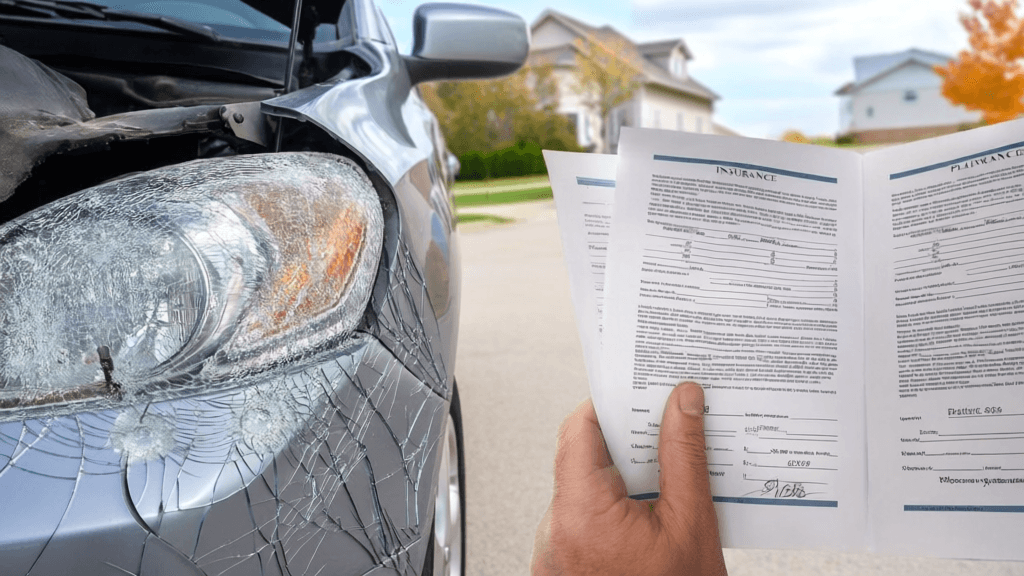
Collision Coverage in Plainview, NY
How Collision Deductibles Affect Out-of-Pocket Costs in Plainview
Collision deductibles play a major role in what a driver actually pays after a crash. This guide explains how deductible...
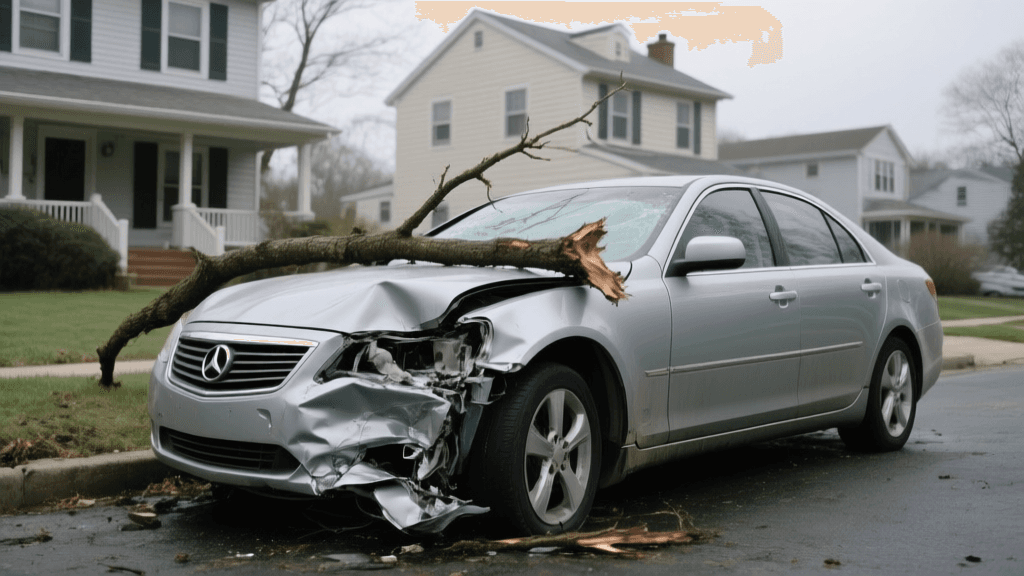
Collision Coverage in Plainview, NY
Collision vs. Comprehensive Coverage for Plainview Car Owners
Collision and comprehensive coverage are often bundled together, but they protect against very different risks. This gui...
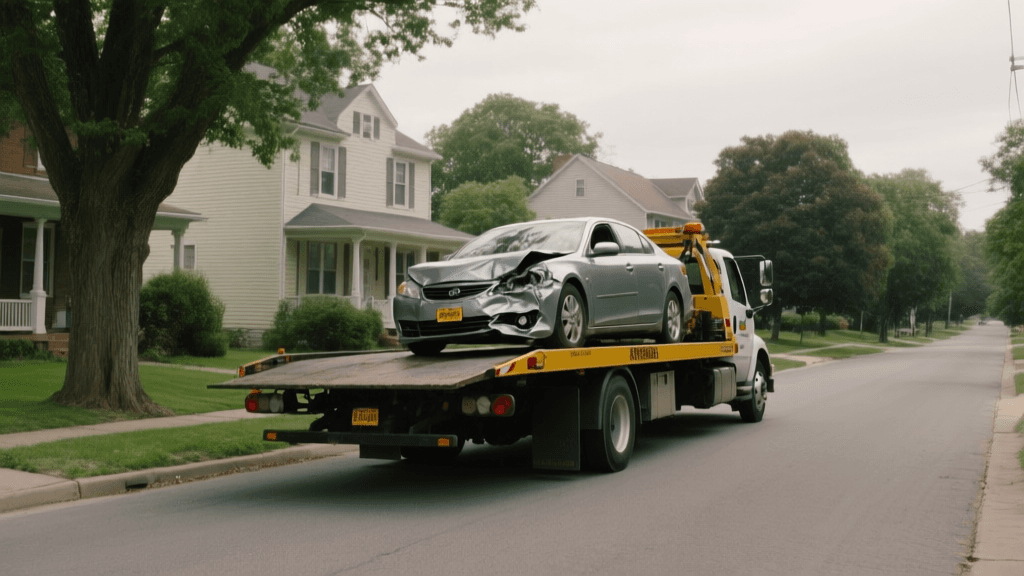
Collision Coverage in Plainview, NY
When Collision Coverage Makes Sense for Plainview Drivers
Collision coverage can be a smart choice, but it is not automatically right for every driver in Plainview. This guide ex...