Why Comprehensive Coverage Matters in Plainview
Many drivers in Plainview hear the term comprehensive coverage and assume it simply means more insurance. In reality, it is a specific part of an auto policy that helps pay for damage caused by events other than a crash with another vehicle or object. That matters in a place like Plainview, where cars are often parked in driveways, shopping lots, train station lots, and busy neighborhood streets that expose them to weather, theft, vandalism, and falling debris. Understanding what this coverage actually includes can help local vehicle owners avoid expensive surprises and make smarter decisions about deductibles, claims, and overall protection.
What Comprehensive Coverage Is Designed to Do
Comprehensive coverage is built to protect a vehicle from sudden, accidental losses that are not collision-related. A simple way to think about it is that collision coverage responds when a car hits something, while comprehensive coverage responds when something happens to the car. Typical covered events include theft, attempted theft, vandalism, fire, hail, wind, flooding, broken glass, and contact with animals. Lenders often require it on financed or leased vehicles, but even drivers who own a car outright may benefit from it if replacing or repairing that vehicle would strain the household budget. The value comes from protecting against risks that are common but hard to predict.
Common Events Usually Covered Under Comprehensive
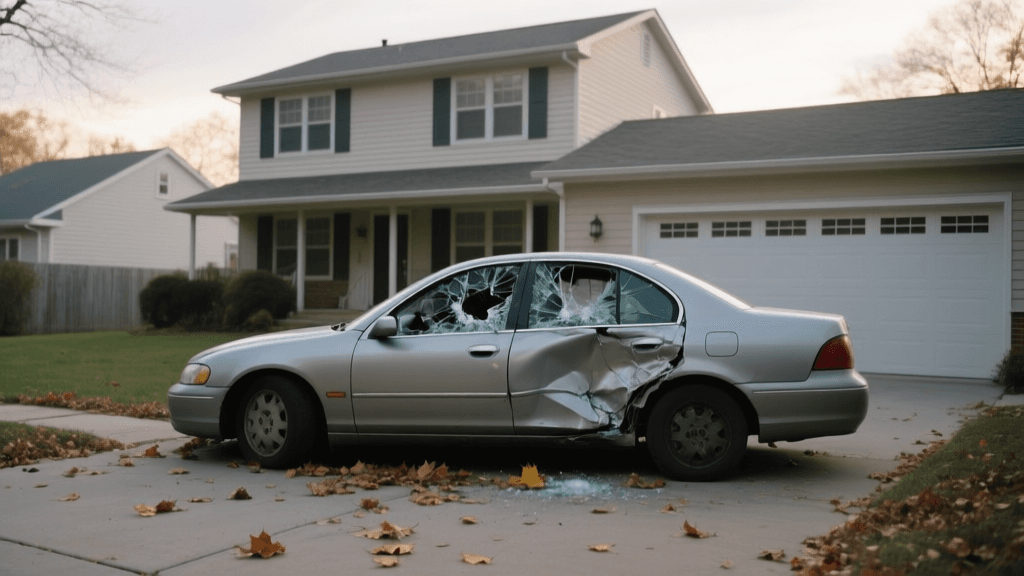
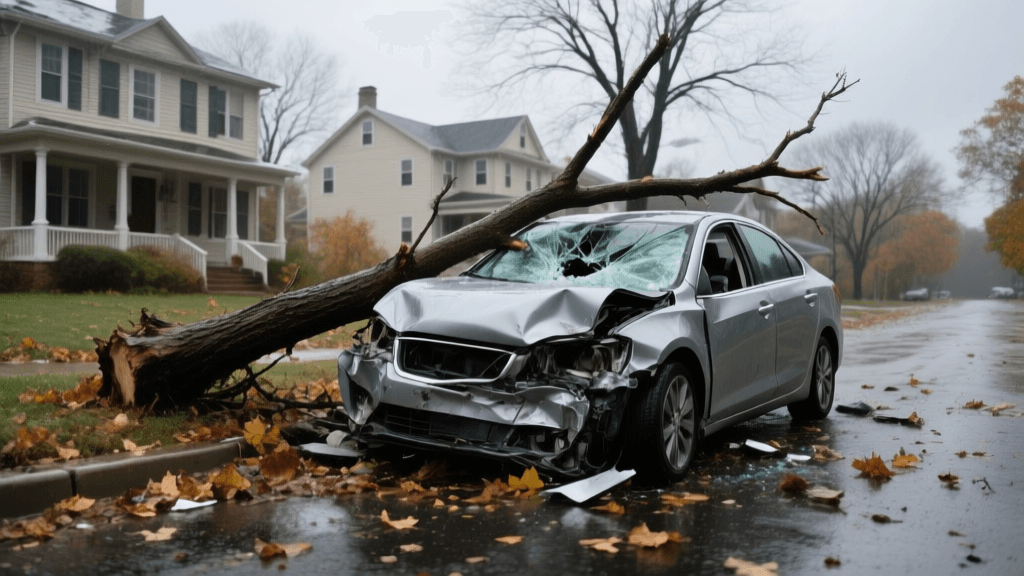
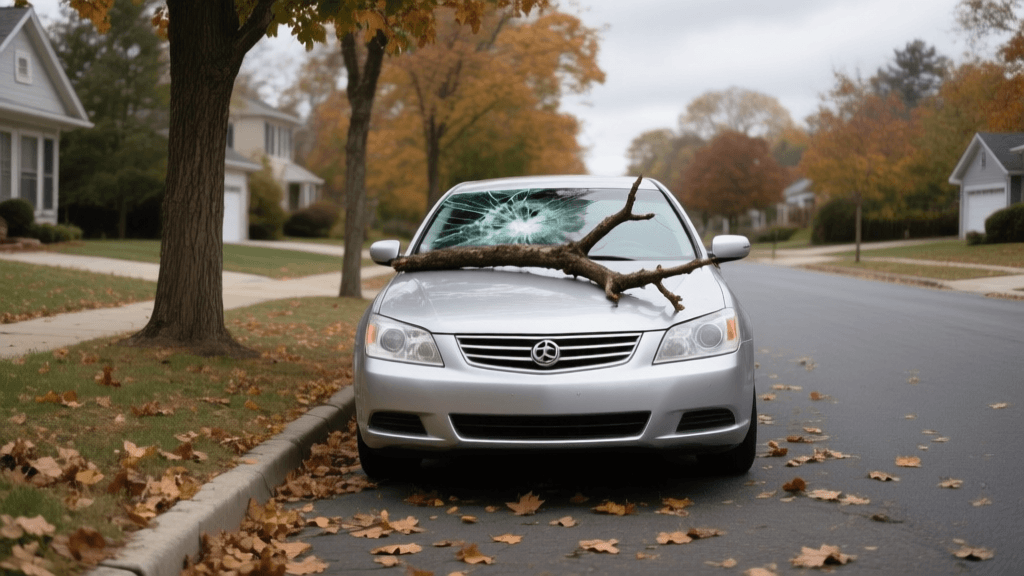
For Plainview vehicle owners, the most common comprehensive claims often involve stolen vehicles, smashed windows, tree branch damage, and severe weather. If a storm blows debris into a parked car near Old Country Road or a heavy branch falls during a windy night in a residential neighborhood, comprehensive coverage may help with repairs. If a catalytic converter is stolen from a parked vehicle in Bethpage or Hicksville, that usually falls under comprehensive as well. The same is true if someone keys a car, breaks a windshield, or damages locks during a theft attempt. Animal strikes also belong here, which surprises many drivers who assume every impact is a collision claim.
What Comprehensive Coverage Usually Does Not Include
Comprehensive coverage is broad, but it has clear limits. It does not pay for damage from a standard traffic crash, even if the repair bill is high. It also does not cover routine maintenance, mechanical breakdowns, wear and tear, or damage caused by neglect. If brakes fail because they were not maintained or an engine problem develops over time, that is generally outside the policy. Personal belongings stolen from inside the car may not be covered by the auto policy either, since those items are often handled through homeowners or renters insurance. Reading the exclusions matters, because many claim disputes start with assumptions about what a policy should cover.
How Deductibles Affect a Claim
Comprehensive claims usually come with a deductible, which is the amount the vehicle owner pays before insurance contributes. If a windshield repair costs less than the deductible, filing a claim may not make sense. If a stolen vehicle is recovered with major damage, a deductible becomes a smaller factor compared with the repair total. Plainview drivers should choose a deductible based on realistic out-of-pocket comfort, not just the lowest premium. A higher deductible may reduce monthly cost, but it can create stress after a storm, theft, or vandalism loss. The best setup balances affordability now with the ability to handle an unexpected repair bill later.
Glass Damage, Theft, and Vandalism Questions Drivers Ask Most
Some of the most frequent questions about comprehensive coverage involve broken glass and theft-related damage. If a windshield cracks from flying debris or is shattered during a break-in, comprehensive coverage often applies. If a vehicle is stolen from a parking area in Syosset, Jericho, or Melville and later recovered, the policy may help with the resulting damage. Vandalism, including keyed paint or smashed mirrors, is also commonly included. The important detail is documentation. Photos, a police report when appropriate, and a prompt claim notice can all help move the process along. Local drivers should also ask whether aftermarket parts or custom equipment are fully protected.
Why This Coverage Has Real Local Value in Plainview
Plainview drivers deal with a mix of suburban parking patterns and regional weather risks that make comprehensive coverage especially relevant. Cars may sit outside overnight, in retail lots, at commuter parking areas, or under mature trees during storms. Across Nassau County and nearby communities like Levittown, Farmingdale, and Oyster Bay, seasonal wind, heavy rain, and snow can all create damage that has nothing to do with an at-fault crash. Theft concerns also vary by vehicle type, especially for models targeted for parts. In a community where many households rely on their vehicles daily for work, school, and errands, unexpected non-collision damage can disrupt far more than transportation.
Key Takeaways for Local Vehicle Owners
What To Remember
- Comprehensive coverage usually helps with theft, vandalism, fire, weather, falling objects, broken glass, and animal-related damage rather than regular crash damage.
- A financed or leased vehicle often requires comprehensive coverage, but it can also be valuable for owned vehicles that would be costly to repair or replace.
- The deductible matters just as much as the coverage itself because it affects whether a smaller claim is worth filing after glass damage or minor vandalism.
- Plainview-area risks such as storm debris, parking lot incidents, theft attempts, and overnight outdoor parking make non-collision protection especially practical.
- Drivers should review policy exclusions carefully so they do not confuse comprehensive coverage with maintenance protection or collision repair coverage.

How To Review Your Options and Decide on Next Steps
The best next step is to compare the current value of the vehicle, the local risks it faces, and the deductible that fits the household budget. A newer car parked outside in Plainview may justify stronger comprehensive protection than an older vehicle with limited replacement value. It also helps to review whether glass claims are handled differently, whether rental reimbursement is available after a covered loss, and whether any custom parts need added protection. Before choosing or changing coverage, drivers should look at how often the car is used, where it is parked, and how difficult it would be to absorb a sudden repair or total loss.
Compare Comprehensive Coverage Carefully
Review policy details, deductibles, and vehicle value so the protection matches the real risks facing Plainview drivers.
Get a Free Quote