Why The App Status Matters More Than Most Drivers Expect
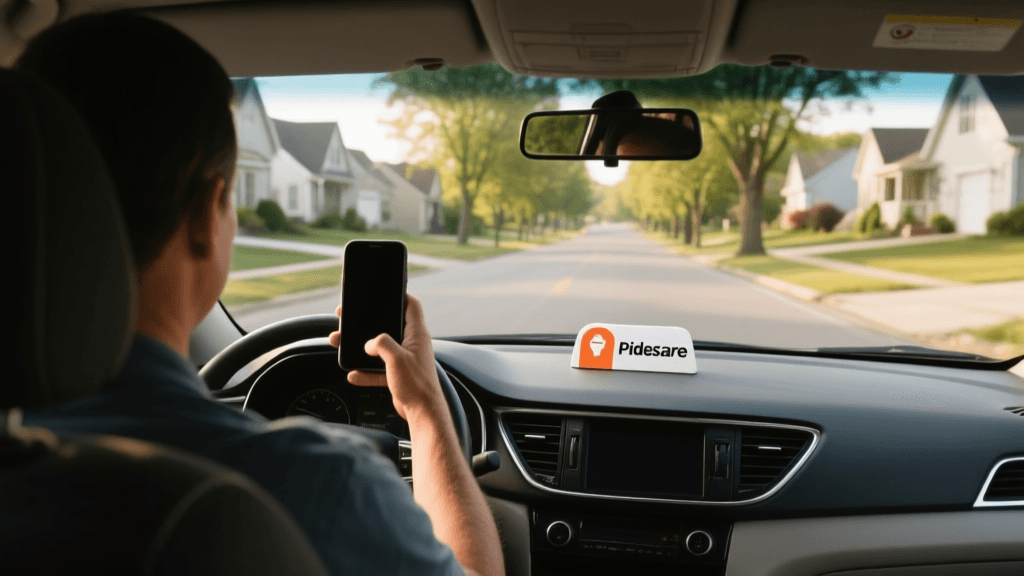
For many Plainview drivers, the biggest rideshare insurance surprise is that coverage can change the instant a driving app is switched on. A personal auto policy is usually written for private driving, such as commuting on Old Country Road, running errands near Manetto Hill Road, or picking up groceries. Once a driver logs into a rideshare platform and becomes available for fares, the insurer may view that vehicle use very differently. That change matters because a claim that looks simple on paper can become complicated if it happened while the app was on. Understanding the difference between app-off and app-on use is one of the most important parts of protecting income, the car itself, and personal finances.
The Basic Coverage Periods Behind Rideshare Insurance
Rideshare coverage is often explained in periods. App off means the driver is using the car for personal reasons, and the personal auto policy generally applies subject to its terms. App on and waiting for a request is commonly the period that creates the most confusion because the car is being used for business, but no passenger is inside yet. Once a trip is accepted and the driver is heading to a pickup, coverage usually shifts again. It changes once more when a passenger is in the vehicle until the ride ends. In Plainview, where drivers may move between quiet residential streets and busier corridors toward Hicksville, Levittown, or Farmingdale, those status changes can happen several times in a single hour.
What App-Off Coverage Usually Looks Like
When the rideshare app is fully off, the vehicle is generally being driven as a personal car, so the driver’s own auto policy is usually the first place to look after an accident. That can include liability coverage for injuries or property damage caused to others, along with optional protections such as collision, comprehensive, medical payments, or uninsured motorist coverage if they were selected. In practical terms, if a Plainview driver is heading home from dinner in Woodbury or running a personal errand in Syosset with no rideshare app active, the policy typically functions the same as it would for any other covered personal trip. The key is that there is no commercial or rideshare activity taking place at that moment.
Why The App-On Waiting Period Creates The Biggest Gap
The time between turning the app on and accepting a ride request is often the hardest period for drivers to understand. During this waiting phase, the driver is available for hire, even though no passenger has been matched yet. Many personal auto policies exclude or limit coverage when a vehicle is being used for livery or transportation network work, which can leave a gap if the driver assumes private coverage still applies. Rideshare company coverage may provide liability protection during this period, but it is often more limited than the coverage available once a trip has been accepted. For a Plainview driver waiting near Route 135 or circling near busy shopping centers for a request, that gap can become very real after even a minor collision.
What Usually Changes After A Ride Is Accepted
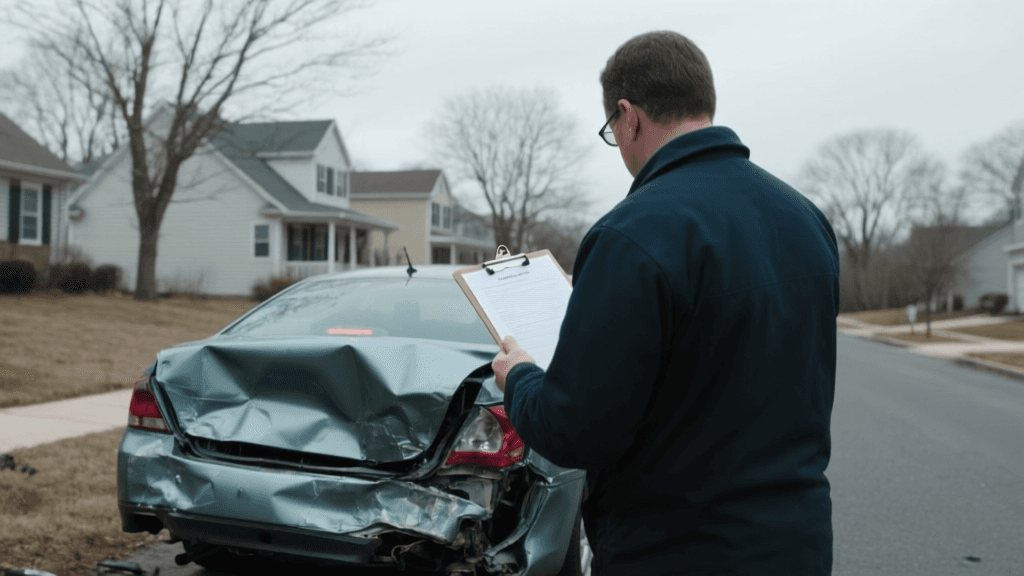
Once a driver accepts a ride and begins traveling to the pickup location, coverage typically becomes broader through the rideshare platform, and it usually remains stronger while a passenger is in the car. Even so, broader does not always mean complete. Deductibles may be high, vehicle damage coverage may depend on whether the driver carries collision and comprehensive on a personal policy, and certain losses may still involve disputes over which insurer responds first. For example, a crash while driving from Plainview toward Bethpage to pick up a rider can trigger a very different claim process than a crash during ordinary personal use. Drivers should pay attention not just to whether coverage exists, but also to deductibles, exclusions, and documentation requirements during each rideshare period.
How A Rideshare Endorsement Can Help
A rideshare endorsement is an add-on offered by some insurers that can help bridge the space between a standard personal policy and the coverage supplied by a rideshare company. The value of that endorsement is often most noticeable during the app-on waiting period, where many drivers discover their biggest exposure. Depending on the policy, the endorsement may extend certain personal coverages into rideshare use or reduce the chance of a denial based on business driving activity. For Plainview residents who drive part time after work, on weekends, or during peak demand around Hicksville, Jericho, or Melville, this can be a practical way to align the policy with how the car is actually being used rather than relying on assumptions that may not hold up after a claim.
Local Driving Patterns In Plainview Make Details Important
Plainview is the kind of place where a rideshare shift can include short suburban pickups, quick runs to the Long Island Rail Road area in nearby communities, late evening restaurant traffic, and busy arterials connecting to larger Nassau and Suffolk destinations. That mix matters for insurance because more stops, more app toggling, and more time waiting for requests create more chances for a claim to happen in a gray area. A driver may go app off while stopping for gas in Oyster Bay, app on while heading back toward a busy corridor, then accept a fare bound for Huntington or Massapequa. Each switch can affect which policy applies. Local drivers benefit from reviewing coverage with real trip patterns in mind, not just generic rideshare examples.
Key Takeaways For Plainview Rideshare Drivers
What To Review Before Your Next Shift
- Confirm whether the personal auto policy excludes driving for a transportation network company once the app is turned on, even before a rider is matched.
- Check whether a rideshare endorsement is available and whether it extends liability, collision, comprehensive, or other protections during the waiting period.
- Review deductibles carefully because rideshare platform coverage may exist during active trips but still leave the driver with a significant out-of-pocket amount.
- Document when the app was on, when a ride was accepted, and where the trip occurred, since claim handling often depends on the exact period in which the accident happened.
- Think about actual driving routes in and around Plainview, Bethpage, Hicksville, and Woodbury so coverage decisions reflect real use rather than occasional personal driving alone.

What To Do Before Relying On Your Current Policy
Before the next shift starts, drivers in Plainview should compare their personal auto policy, any available rideshare endorsement, and the coverage summary provided by the rideshare platform. The goal is to identify who covers liability, vehicle damage, uninsured drivers, and deductibles in each stage of app use. It also helps to ask direct questions and get clear written confirmation about coverage during the waiting period, pickup period, and passenger period. Even experienced drivers in places like Levittown, Farmingdale, or Syosset can be caught off guard if they assume all insurers treat rideshare use the same way. A careful review now is usually far less expensive than discovering a coverage gap after an accident, especially when the vehicle is essential for both daily life and side income.
Compare Coverage Before Your Next Rideshare Shift
Review policy details and quote options carefully so app-on and app-off driving in Plainview are covered the way you expect.
Get a Free Quote