Why This Coverage Question Matters in Plainview
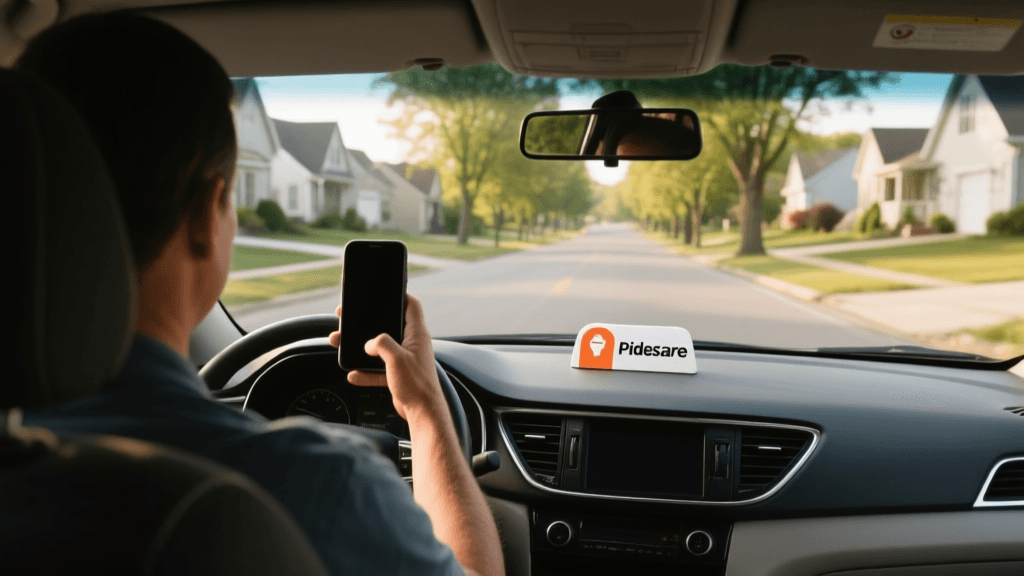
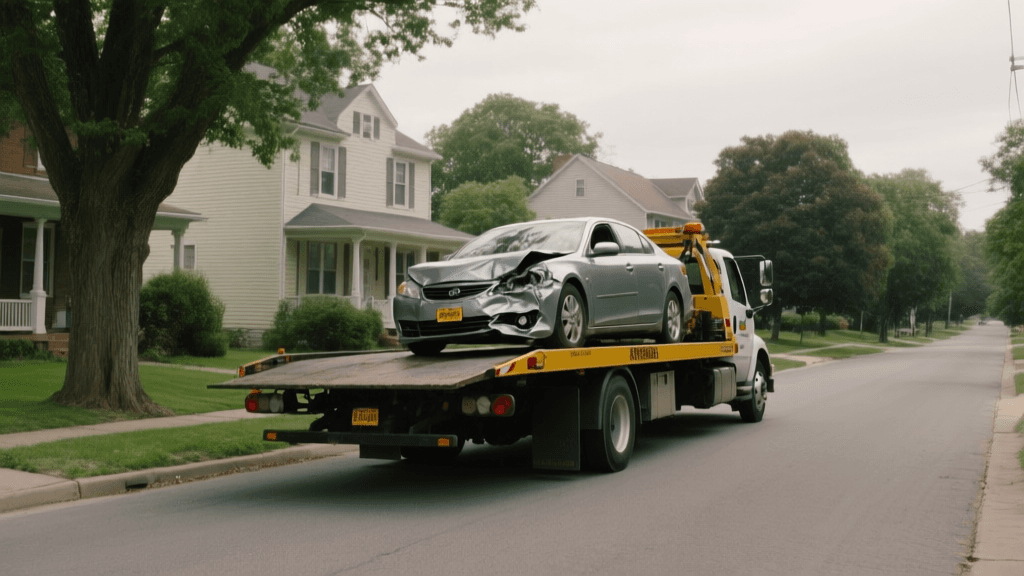
For many drivers in Plainview, rideshare work starts as a flexible side income and quickly becomes part of the weekly budget. That makes insurance more important than many people realize. A standard personal auto policy is built for commuting, errands, and family use, not for carrying paying passengers through Plainview, Bethpage, Hicksville, and nearby Long Island roads. The problem is that a claim can happen during the exact time a policy is least clear, such as when the app is on but no passenger is in the car yet. Understanding where personal coverage ends and rideshare coverage begins can help local drivers avoid denied claims, out-of-pocket repair bills, and unpleasant surprises after an accident.
How Rideshare Driving Changes the Insurance Picture
Insurance companies look at risk based on how a vehicle is used, and rideshare driving changes that use in a major way. A car that spends most of the day parked in a Plainview driveway presents one level of exposure, while a car that circles busy retail corridors, makes frequent pickups, and drives during late-night or weekend demand presents another. That is why many personal policies contain exclusions for carrying people for a fee. Uber and Lyft do provide certain coverages, but those protections depend on the phase of the trip. In New York, drivers need to pay attention to those usage periods because a single shift can move between personal use, waiting for a request, driving to a pickup, and carrying a passenger.
What a Personal Auto Policy Usually Covers
A personal auto policy generally covers everyday private driving, including liability for injuries or property damage, and it may also include collision, comprehensive, uninsured motorist protection, medical payments, or personal injury protection depending on the policy. For a Plainview resident, that usually means commuting along local parkways, school drop-offs, grocery runs, and visits to nearby communities like Syosset, Jericho, or Levittown. The key issue is that these policies are usually priced and approved on the assumption that the vehicle is not being used for commercial passenger service. Once the car is available for hire through an app, the insurer may treat that as a different risk category, which can trigger a business-use exclusion or require a rideshare endorsement.
Where Personal Auto Coverage Can Fall Short
The biggest gap often appears during the waiting period, when the driver has the rideshare app on and is available to accept a trip but has not matched with a passenger yet. Many drivers in Plainview assume they are either fully covered by their personal policy or fully covered by Uber or Lyft during that period, but the reality can be more limited. If an accident happens near Old Country Road, the Seaford Oyster Bay Expressway, or a crowded shopping area while waiting for a ride request, the personal insurer may question whether the car was being used for excluded commercial activity. At the same time, the rideshare company coverage may offer lower limits than the driver expects or may not include damage to the driver’s own vehicle unless specific conditions are met.
How Uber and Lyft Coverage Typically Works
Rideshare company insurance is usually divided into phases. Period 0 is normal personal driving with the app off. Period 1 begins when the app is on and the driver is waiting for a match. Period 2 starts after accepting a ride and driving to pick up the passenger. Period 3 applies when the passenger is in the car until drop-off. Coverage tends to become broader in Periods 2 and 3, especially for liability, but that does not automatically mean every loss is paid in full. Deductibles can be high, and physical damage coverage for the vehicle may depend on the driver already carrying collision and comprehensive on the personal policy. For drivers working around Plainview, Farmingdale, Melville, or Huntington, these distinctions matter every day.
Why a Rideshare Endorsement Can Make a Difference
A rideshare endorsement is designed to bridge the gray area between a personal policy and the transportation network company’s policy. For many Plainview drivers, that extra layer can be one of the most practical ways to reduce claim disputes. Instead of relying on assumptions, the endorsement tells the insurer that the vehicle is being used for app-based driving. That can help preserve important protections during the app-on waiting period and may make the claims process more predictable. The exact form varies by insurer, so drivers should look closely at whether the endorsement changes liability, collision, comprehensive, deductible responsibilities, and coverage while driving in neighboring service areas such as Bethpage, Woodbury, Oyster Bay, and Massapequa.
Local Driving Patterns That Raise the Stakes
Plainview is not isolated from the wider traffic patterns of Nassau and western Suffolk County, and that affects rideshare exposure. Drivers may pick up local commuters near office parks, shoppers near commercial strips, or evening riders heading toward restaurants and entertainment areas in nearby towns. Short trips can still produce frequent stop-and-go driving, tight parking lot maneuvers, and rear-end risks. Longer runs to train stations, major roads, or airports add highway exposure and more time on the road. For a rideshare driver based in Plainview, coverage has to make sense for both the quiet neighborhood street and the high-demand trip outside town. That is why local drivers should evaluate insurance based on real driving habits, not just the lowest premium shown on a quote.
Key Takeaways for Plainview Rideshare Drivers
- A personal auto policy is usually intended for private driving and may exclude carrying passengers for a fee through Uber or Lyft.
- The waiting period after turning the app on is one of the most common times for a coverage gap or claim dispute.
- Uber and Lyft coverage often becomes stronger after a trip is accepted, but vehicle damage coverage can still depend on what is already on the driver’s own policy.
- A rideshare endorsement can help Plainview drivers reduce gray areas between personal insurance and company-provided coverage.
- Drivers who regularly work in Bethpage, Hicksville, Jericho, Syosset, or other nearby communities should make sure their policy reflects actual use, not occasional personal driving only.

What to Review Before Your Next Shift
Before driving another passenger in Plainview, review the declarations page of the personal policy and confirm whether there is any exclusion related to public or livery use, delivery work, or transportation for a fee. Then compare that with the rideshare company’s insurance summary for each trip phase. Pay attention to liability limits, deductibles, collision requirements, rental reimbursement, and whether the policy addresses uninsured drivers. If the car is financed or leased, remember that a lender still expects repairs after a loss, even if there is a coverage dispute. Comparing these details before logging in can save a driver from learning about a gap only after an accident. A quote comparison that specifically mentions rideshare use is usually the safest next step.
Compare Coverage Before You Drive for Hire
Plainview Uber and Lyft drivers should review personal auto coverage, rideshare endorsements, and app-based policy periods before accepting the next ride.
Get a Free Quote