Why Liability Coverage Matters After a Crash
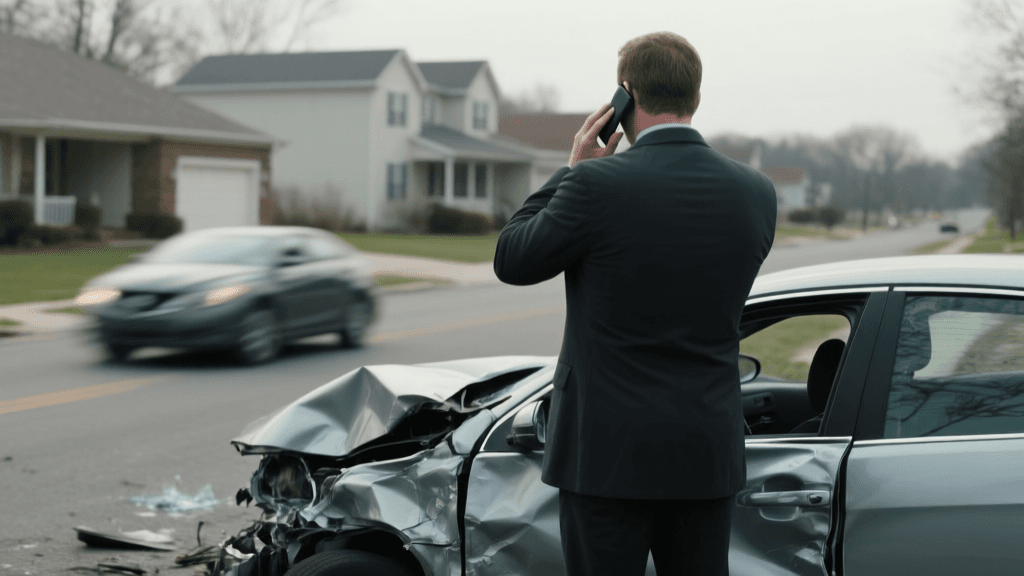
After an auto accident in Plainview, one of the first insurance questions is simple: what does liability coverage actually pay for? In plain language, liability coverage is the part of an auto policy that helps pay other people when the insured driver is legally responsible for causing a collision. That can include another person’s medical bills, lost income, vehicle repairs, and sometimes legal defense costs if a claim turns into a lawsuit. Because traffic around Old Country Road, the Long Island Expressway corridors, and busy local shopping areas can create frequent stop-and-go driving situations, understanding liability coverage before a claim happens can make the aftermath much less confusing.
How Liability Coverage Fits Into New York Claims
New York uses a no-fault system for many injury claims, which often causes confusion for drivers in Plainview and nearby Bethpage or Hicksville. No-fault coverage generally helps pay an injured person’s own initial medical expenses and certain lost wages, regardless of fault, but that does not make liability coverage irrelevant. Liability coverage still becomes important when property damage is involved, when injuries are serious enough to meet legal thresholds, or when costs exceed what no-fault benefits handle. In other words, a crash can start with one type of claim and still lead to a liability claim later. That is why drivers should understand both the purpose of liability insurance and the limits written into the policy.
What Bodily Injury Liability Usually Pays For
Bodily injury liability usually pays for harm suffered by other people when the insured driver caused the accident. In many cases, that means medical treatment, follow-up care, rehabilitation, and a portion of lost wages if the injured person cannot work. It may also apply to pain and suffering when the injury qualifies under New York law. If a Plainview driver rear-ends another car near a busy intersection and the other driver develops a neck or back injury requiring months of treatment, bodily injury liability may help cover those damages up to the policy limit. The key point is that this coverage is designed to protect against claims from others, not to pay the at-fault driver’s own injuries.
What Property Damage Liability Usually Pays For
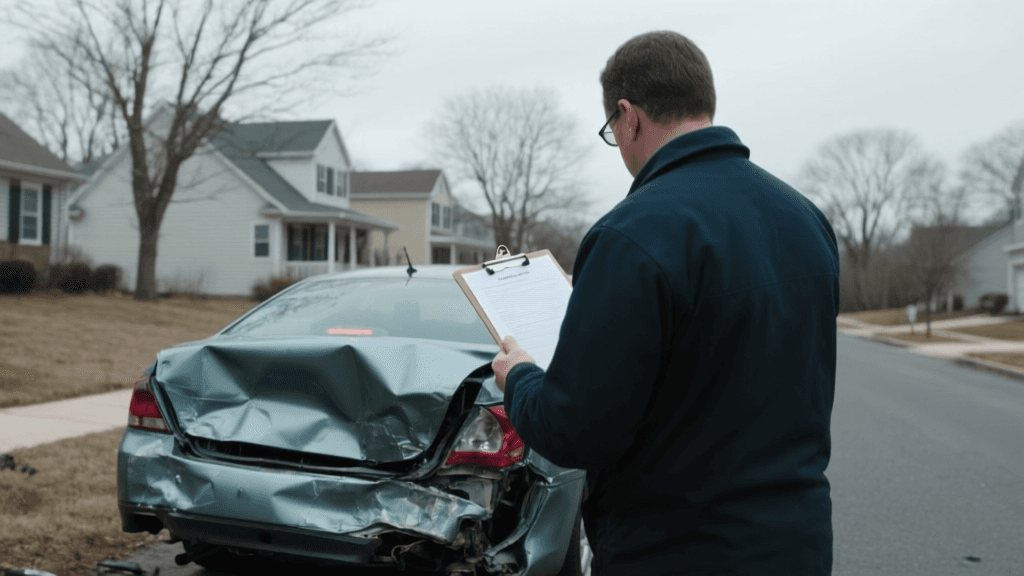
Property damage liability is the part of a policy that typically pays for damage to someone else’s property after an at-fault accident. Most people think of the other vehicle first, but this coverage can also extend to items such as fences, mailboxes, signs, storefront glass, light poles, or landscaping. A low-speed collision in Levittown or Farmingdale may still create an expensive claim if a newer vehicle, safety sensors, and painted panels all need repair. If a driver loses control in wet weather and hits private property, those repair bills may also fall under property damage liability. The insurer pays covered losses up to the policy’s stated dollar limit, so low limits can become a real financial problem.
Legal Defense Costs and Settlement Payments
Liability coverage may also help with legal costs when the other party files a lawsuit after an accident. That does not mean every fender bender in Plainview turns into a court case, but serious injuries, disputed fault, or high repair bills can push a claim in that direction. When the policy applies, the insurer often provides a legal defense and may negotiate a settlement on behalf of the insured driver. This can be extremely valuable because attorney fees, expert reviews, and court-related expenses add up quickly. Drivers sometimes focus only on vehicle damage, but the cost of defending a claim can be just as important as the final payment made to the injured person or property owner.
What Liability Coverage Does Not Pay For
Liability coverage has clear limits, and knowing what it does not pay for is just as important as knowing what it does. It usually does not pay to repair the at-fault driver’s own car; that is generally handled by collision coverage if it is on the policy. It also does not usually pay the at-fault driver’s own medical bills, which may involve personal injury protection, health insurance, or other coverage depending on the situation. Routine maintenance issues, intentional damage, and losses beyond the policy limit are also outside the basic promise of liability insurance. For Plainview drivers, this distinction matters because many people assume one part of the policy covers every cost after a crash, which is rarely true.
Why Policy Limits Matter So Much in Plainview
Policy limits are the maximum amounts an insurer may pay for covered liability claims, and they can shape the entire outcome of an accident. On Long Island, where repair costs, medical bills, and legal claims can be high, minimum limits may not go very far after a multi-vehicle crash. A chain-reaction accident near Syosset, Jericho, or Woodbury could involve several damaged cars and multiple injury complaints, causing total losses to rise fast. If damages exceed the available limit, the at-fault driver may be personally responsible for the remainder. That is why reviewing liability limits is not just a paperwork exercise. It is a practical decision about asset protection, wage exposure, and overall financial risk.
Key Takeaways for Drivers
- Liability coverage generally pays for injuries or property damage suffered by other people when the insured driver is legally at fault for a crash.
- Bodily injury liability may help with medical bills, lost wages, and qualifying pain and suffering claims brought by other parties.
- Property damage liability may pay for repairs to another vehicle or other damaged property such as fences, poles, signs, or structures.
- Legal defense and settlement handling can be part of liability protection when a covered claim becomes a lawsuit or formal dispute.
- Policy limits matter because serious crashes in Plainview and surrounding Nassau County communities can exceed low coverage amounts quickly.

Local Claim Scenarios Around Plainview and Nearby Areas
Local driving patterns make liability education especially useful in Plainview. Commuter traffic, school drop-off congestion, parking lot incidents, and weather-related braking problems all create different claim types. A minor collision in a shopping center may produce mostly property damage, while a higher-speed crash on a regional connector road could bring injury allegations, treatment claims, and disputed fault. Nearby communities such as Melville, Huntington, Oyster Bay, and Massapequa add more variation because road design, traffic density, and travel habits differ across Nassau County and adjacent areas. Looking at real local scenarios helps drivers understand that liability coverage is not an abstract legal term. It is a day-to-day financial safeguard tied directly to ordinary driving risks.
What To Do Next Before You Need to File a Claim
The best next step is to review the liability section of the current auto policy before another accident happens. Check bodily injury and property damage limits, confirm how they appear on the declarations page, and think honestly about whether those amounts match today’s repair and medical costs in Plainview. It also helps to ask how no-fault, collision, uninsured motorist, and liability coverage work together so there are fewer surprises after a loss. If the policy has not been reviewed in years, comparing options and limits can be worthwhile. A careful quote comparison is often the easiest way to see whether better protection is available without guessing about what a future claim might cost.
Compare Liability Coverage Options
Review limits, compare quotes, and make sure the policy fits real accident costs in Plainview and nearby communities.
Get a Free Quote