Why Rental Reimbursement Matters in Plainview
Rental reimbursement is one of those auto insurance options that sounds simple until a car is actually in the shop. For many drivers in Plainview, the need for a temporary vehicle becomes urgent the moment a covered accident interrupts work commutes, school drop-offs, errands on Old Country Road, or trips to nearby areas like Bethpage, Hicksville, and Syosset. This coverage is designed to help pay for a rental car while a damaged vehicle is being repaired after a covered claim. What causes confusion is that it does not apply in every situation, and it usually comes with daily and total limits. Understanding those details before a claim can prevent frustration and unexpected bills.
What This Coverage Is Really Designed to Do
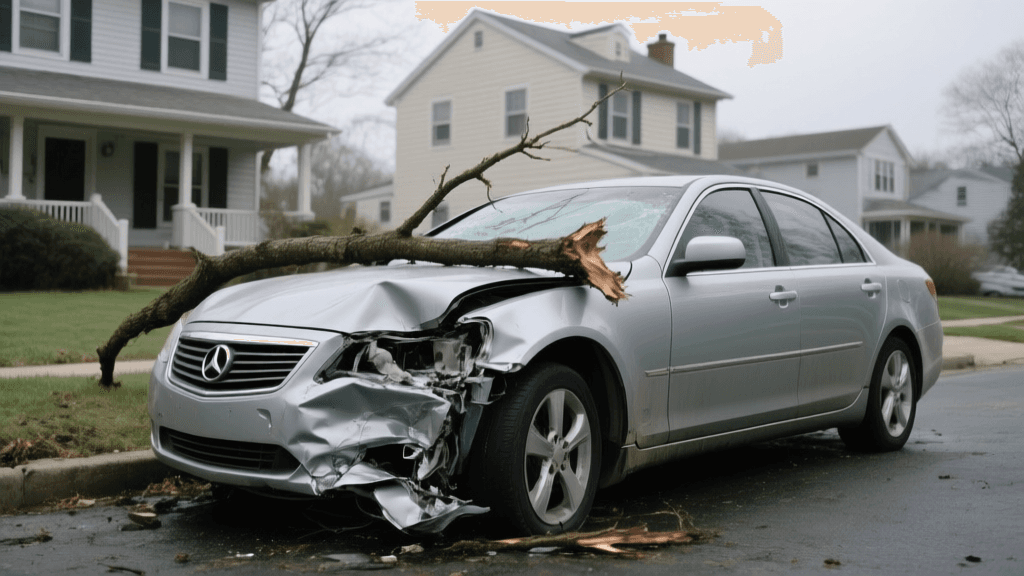
Rental reimbursement is meant to cover temporary transportation costs when a policyholder cannot use a vehicle because of a covered loss. In practical terms, that often means the insured car was damaged in a collision or another claim type already covered by the policy, such as comprehensive damage from theft, vandalism, or certain weather events. The coverage generally pays up to a stated amount per day, with a maximum total cap for the claim. In Plainview and the surrounding Long Island area, that matters because rental rates can vary by vehicle class, season, and availability. A driver who assumes any rental will be fully paid may be surprised if the selected car costs more than the policy limit allows.
What Rental Reimbursement Usually Covers
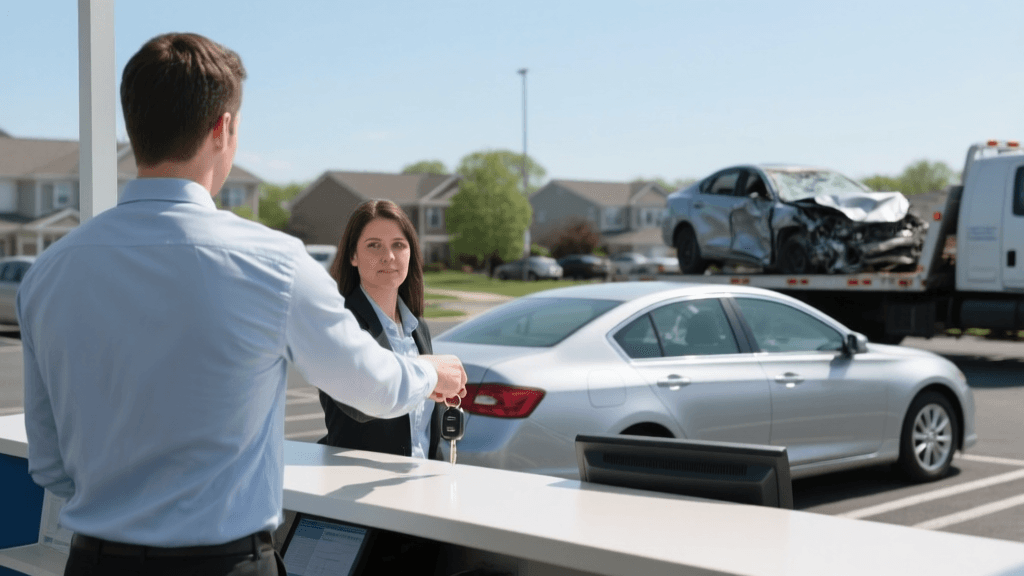
In most cases, rental reimbursement helps pay for a basic rental vehicle while the insured car is being repaired due to a covered claim. If a Plainview driver is rear-ended and the policy includes collision coverage plus rental reimbursement, the insurer may contribute toward a rental during the repair period, subject to the policy limits. The same may apply if the car is stolen and recovered later, or if comprehensive damage leaves it temporarily undrivable. Coverage usually focuses on the base rental charge rather than every optional add-on at the counter. It is intended to keep daily life moving, not to upgrade the driving experience. That distinction is important for commuters traveling through Jericho, Melville, or Huntington who rely on a car every day.
What It Commonly Does Not Cover
Rental reimbursement does not usually apply to routine maintenance, mechanical breakdowns, or a car being in the shop for non-covered repairs. If an engine fails, brakes wear out, or a transmission issue sidelines the car, this coverage typically will not pay for a rental because there was no covered insurance loss behind the repair. It also may not cover fuel, mileage charges, security deposits, late return fees, tolls, traffic tickets, or optional rental company products. Another common misunderstanding involves vacations or elective travel. The coverage is generally tied to the loss of use of the insured vehicle after a covered claim, not simply the desire to rent a car for convenience. Plainview drivers should think of it as claim-related transportation help, not general rental car coverage.
Why Policy Limits Make a Big Difference
The fine print on daily and maximum limits often decides whether this coverage feels adequate or disappointing. A policy might provide a set amount per day for a limited number of days, and any cost above that amount becomes the driver's responsibility. On Long Island, rental inventory can tighten after storms, holiday travel periods, or regional repair backlogs, which can push prices upward. A compact car may fit within the limit, while a larger vehicle or SUV may not. That can matter for families in Plainview or Levittown who need child seat space, cargo room, or seating for several passengers. Before adding or renewing this coverage, drivers should compare current local rental costs against the policy limit rather than assuming older limits still match today's market.
When the Clock Starts and Stops
Another area that causes confusion is timing. Rental reimbursement usually begins after a covered claim makes the insured vehicle unusable and continues only for a reasonable repair period, up to the policy maximum. It does not necessarily last as long as the driver would like, and it may end if repairs are complete, the vehicle is declared a total loss, or the maximum benefit is reached. In a total loss situation, the insurer may only cover the rental for a short window after settlement processing begins. That is especially relevant in Plainview, Woodbury, and Oyster Bay, where drivers may need a replacement vehicle quickly to keep up with daily travel patterns. Asking how the insurer measures repair time and total loss deadlines can clear up major misunderstandings.
Local Factors That Affect Plainview Drivers
Plainview drivers face conditions that make temporary transportation more than a convenience. Many households depend on a car for commuting to nearby business corridors, reaching parkways, and managing school, shopping, and medical appointments across Nassau County. If a repair shop has a parts delay or a collision center in the area is backed up, a rental may be needed longer than expected. Seasonal weather can also complicate things, especially when winter driving incidents or storm-related claims affect demand across nearby communities like Farmingdale, Massapequa, and Jericho. Because local driving tends to be frequent and destination-heavy rather than optional, choosing rental reimbursement limits based on real Long Island usage patterns can be more practical than picking the cheapest add-on available.
Key Takeaways for Choosing This Coverage
What Plainview Drivers Should Check
- Confirm that rental reimbursement only applies after a covered claim, not for breakdowns or regular maintenance issues.
- Review the daily dollar limit and the maximum total benefit, then compare those numbers to current rental rates in and around Plainview.
- Ask whether the coverage pays only for a basic rental car and which extra charges, such as fuel or optional protections, remain out of pocket.
- Find out how long the rental is covered during repairs and what happens if the vehicle is declared a total loss.
- Consider household needs like passenger space, commuting distance, and local repair delays when deciding whether to raise the limit.

What to Do Before You Need a Rental Car
The best time to review rental reimbursement is before a claim happens. Plainview drivers should look at the declarations page, confirm whether the coverage is included, and check the exact daily and total limits. It also helps to think through realistic scenarios. If the household has one car, a longer commute, or frequent trips to places like Hicksville, Melville, or Huntington, even a few uncovered rental days can become expensive fast. Comparing policy options, asking how claims are handled, and understanding what documentation may be required can make the process smoother later. A small premium increase for stronger rental reimbursement may be worthwhile if it reduces disruption after an accident. The goal is not just having coverage, but having limits that match real transportation needs.
Compare Rental Reimbursement Before a Claim
Review current auto coverage limits and compare options carefully so a temporary rental does not become an unexpected out-of-pocket expense after a covered loss.
Get a Free Quote