Why Rental Reimbursement Matters After an Accident
If a car is in the shop after a covered accident, one of the first questions many drivers in Plainview ask is how they will get to work, school pickups, medical appointments, or errands along Old Country Road and nearby shopping areas. Rental reimbursement is the optional coverage that can help pay for a temporary rental car while a damaged vehicle is being repaired after a covered claim. It does not apply to every breakdown or maintenance issue, and it does not automatically come with every auto policy. Understanding how it works before a claim happens can make the claims process much less stressful and help drivers avoid paying unexpected rental costs out of pocket.
What This Coverage Usually Pays For
Rental reimbursement generally helps cover the cost of a rental vehicle when a covered loss, such as a collision or another qualifying damage event, leaves the insured car unusable. In most cases, the policy sets a daily dollar limit and a maximum total amount, such as a set amount per day up to a capped number of days. That means the coverage may pay for a standard rental, but upgrades, larger vehicles, add-on products, fuel charges, and late return fees may still be the driver's responsibility. The key point is that reimbursement is tied to policy limits and to a covered claim, not simply to the inconvenience of being without a car.
When Rental Reimbursement Starts and Stops
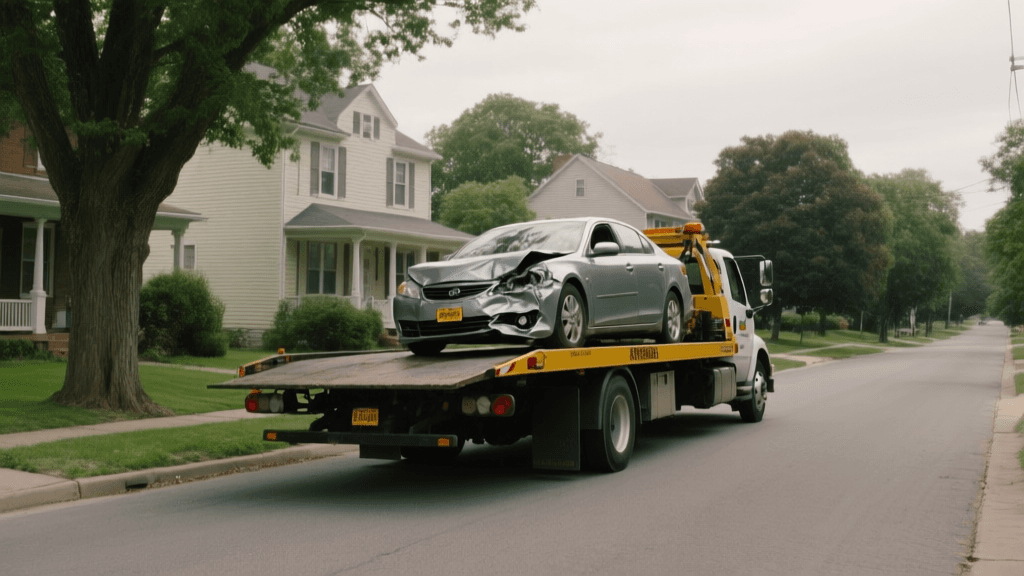
One common source of confusion is timing. Rental reimbursement usually begins after the claim is accepted as covered and the vehicle is being repaired, or after a theft claim is recognized under the policy. It often continues only for the reasonable repair time or until the policy's dollar or day limit is reached. If a car is declared a total loss, coverage may end shortly after the settlement offer is made rather than continuing until a replacement car is purchased. In a busy area like Plainview, where body shops may have scheduling backlogs and parts delays can affect repair timelines, this timing issue can make a real financial difference for households that rely on one main vehicle.
How the Claims Process Typically Works
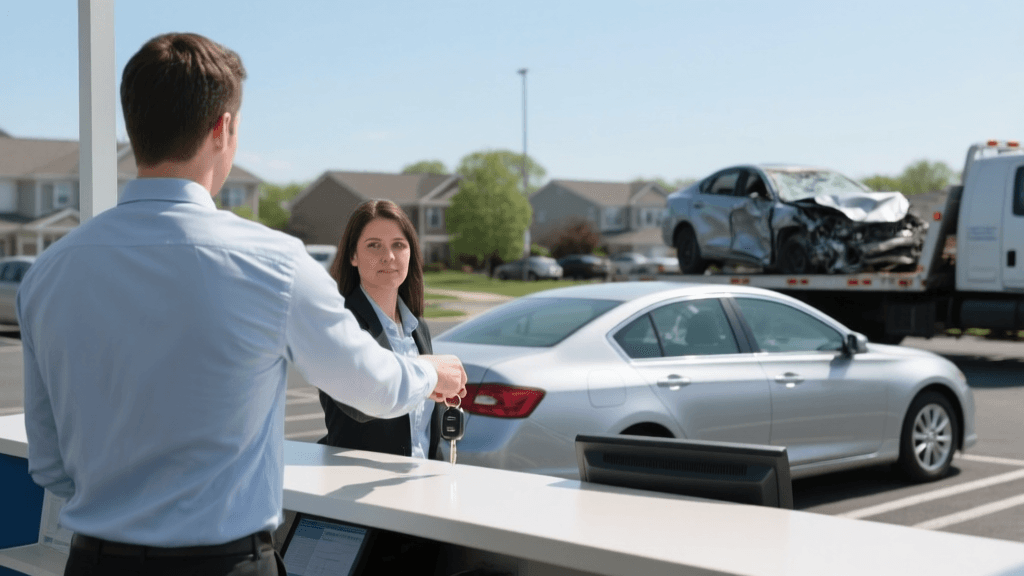
After an accident, the first step is usually filing the claim and confirming whether the damage is covered under the policy. Once coverage is verified, the adjuster may explain the rental reimbursement limit and whether the insurer works directly with a rental company or expects the policyholder to pay first and submit receipts. Some carriers coordinate billing directly with participating rental locations, while others reimburse later. Drivers in Plainview, Bethpage, and Hicksville should ask early about documentation, approved rental classes, pickup timing, and what happens if repairs take longer than expected. Getting these answers at the start can reduce confusion when the car enters the shop and transportation is needed right away.
Common Limits That Catch Drivers Off Guard
The most common surprise is that rental reimbursement is not unlimited. A policy may allow only a modest daily amount, which can be difficult if rental rates rise during holiday travel, storm periods, or high-demand weekends on Long Island. Another issue is vehicle type. A household that normally drives an SUV may only have enough coverage for a smaller sedan unless it pays the difference. Coverage also generally does not include security deposits charged by the rental company. For Plainview families commuting toward Melville, Huntington, or Jericho, those gaps can matter because they may need enough space and reliability for longer daily drives, school drop-offs, or shared family schedules.
What Drivers Can Do to Keep Costs Down
The best way to control rental costs is to confirm limits before reserving a vehicle and choose a rental class that fits within the policy allowance. It also helps to stay in regular contact with both the repair shop and the adjuster so any delays are documented quickly. If repairs are stalled because of parts availability, the carrier may explain whether the coverage period changes or remains fixed. Keeping all rental agreements, fuel receipts if required, and extension approvals in one place can prevent reimbursement disputes. Drivers in Plainview who depend on their cars for daily commuting to Levittown, Farmingdale, or Oyster Bay should also ask whether the nearest rental location offers direct billing to simplify the process.
Why Local Driving Patterns in Plainview Make This Coverage Useful
Rental reimbursement tends to be especially valuable in Plainview because many households rely heavily on personal vehicles for nearly every part of the day. Even short local routines can involve multiple stops between schools, grocery stores, medical offices, and commuter routes connecting to nearby communities like Syosset, Woodbury, and Massapequa. Public transportation may not be a realistic substitute for every schedule, especially for families with children or workers who travel across Nassau and Suffolk counties. When a covered accident takes a vehicle off the road, having rental reimbursement can turn a disruptive event into a manageable temporary inconvenience instead of a week or two of expensive rideshares, borrowed cars, and missed obligations.
Key Takeaways for Plainview Drivers
What To Remember
- Rental reimbursement usually applies only when a claim is covered under the policy, not for routine repairs or mechanical breakdowns.
- Coverage commonly has both a daily limit and a total maximum, so checking those numbers before renting is essential.
- A rental may be billed directly through a participating company or reimbursed later, depending on the insurer's process.
- Coverage often ends when repairs are complete, when policy limits are reached, or shortly after a total loss settlement is offered.
- Choosing a rental class within the policy allowance can help avoid paying large out-of-pocket differences.

Next Steps Before You Need a Rental Car
The smartest time to review rental reimbursement is before a claim happens. Drivers in Plainview should look at whether the policy includes this coverage, what the daily and total limits are, and whether those amounts still fit current Long Island rental prices. It is also wise to ask how claims are handled, whether direct billing is available, and how total loss situations affect rental eligibility. For anyone comparing auto coverage, rental reimbursement is a small policy detail that can have a big practical impact after an accident. A careful review now can make it much easier to keep life moving after a covered claim.
Compare Rental Reimbursement Options
Review auto policy limits and claim details carefully so a covered accident in Plainview does not create unnecessary rental car costs.
Get a Free Quote