Why Windshield Damage Is So Common in Plainview
Windshield damage rarely feels like a major risk until a tiny chip suddenly spreads across the driver’s line of sight. In Plainview, NY, that can happen faster than many motorists expect. Daily driving often includes parkways, busy local roads, construction activity, and stop-and-go traffic, all of which increase the chances of debris striking the glass. Add in seasonal temperature changes on Long Island, and a minor blemish can quickly become a larger crack. Understanding the common causes matters because early prevention is usually far less disruptive than replacing an entire windshield, and it can also affect how a driver handles an auto insurance claim or repair decision.
Road Conditions and Traffic Patterns Create Real Risk
The roads around Plainview see a mix of commuter traffic, commercial vehicles, and short local trips between places like Bethpage, Hicksville, Syosset, and Jericho. That combination matters because windshield damage is often tied to traffic flow rather than a single dramatic event. Cars traveling at higher speeds kick up grit, pebbles, and broken pavement fragments, while trucks may leave space for loose material to fly backward. Even a well-maintained roadway can become a hazard after weather shifts or utility work. Drivers who spend time on major connectors or heavily traveled suburban corridors are often exposed to repeated small impacts, and those repeated hits can weaken glass over time.
Loose Gravel and Flying Debris From Other Vehicles
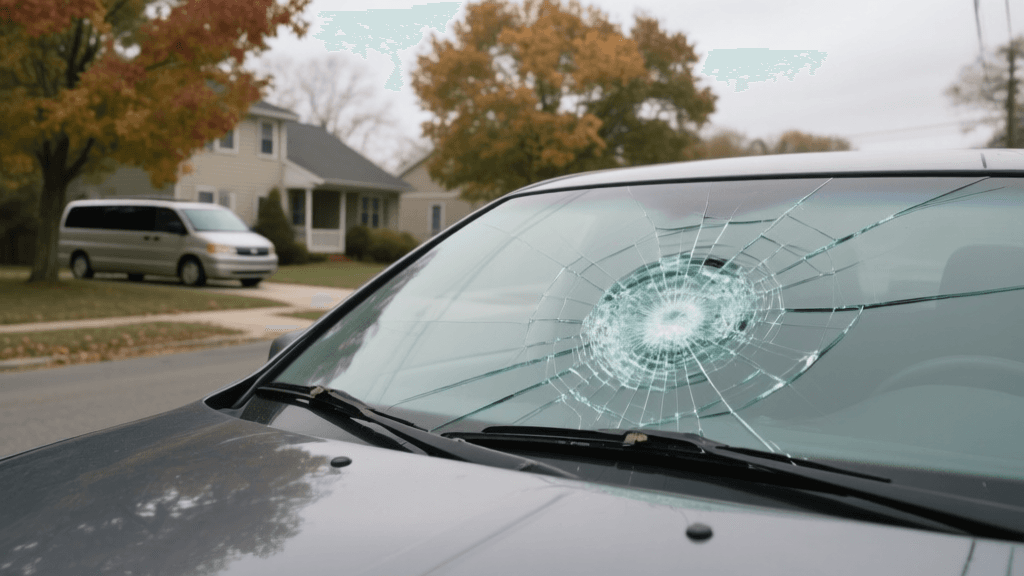
One of the most common causes of windshield chips in Plainview is loose gravel or road debris thrown from tires ahead. It does not take a large rock to create damage. A small stone launched at highway speed can leave a star break, bullseye chip, or edge crack in seconds. This risk tends to rise near construction zones, road shoulder repairs, landscaping trucks, and vehicles carrying uncovered materials. Drivers heading through nearby areas like Farmingdale, Melville, or Levittown may notice this more during active paving season. Leaving extra following distance helps, but it does not eliminate the risk completely, especially when debris is kicked sideways from an adjacent lane rather than directly ahead.
Construction Zones and Seasonal Road Work
Construction activity is a major factor in windshield damage because work zones often bring uneven pavement, milled asphalt, gravel shoulders, and heavy equipment entering and exiting traffic. Around Plainview and nearby communities such as Woodbury, Oyster Bay, and Massapequa, seasonal road projects can increase the amount of loose material on the roadway. Even when crews follow safety practices, nearby vehicles may still track stones onto travel lanes. Fresh paving can also leave small aggregate exposed before surfaces fully settle. For drivers, the practical takeaway is simple: reduce speed in work zones, avoid tailgating dump trucks or trailers, and pay attention to temporary lane shifts, which may place a vehicle closer to debris than usual.
Temperature Swings Turn Small Chips Into Large Cracks
In Plainview, windshield damage is not always caused by the initial impact alone. Long Island weather can turn a small chip into a much bigger problem. Cold mornings, warm afternoons, summer heat, and winter defroster use all create stress across the glass. When temperatures change quickly, the damaged area expands and contracts at a different rate than the rest of the windshield. That is why a chip that seemed harmless in a parking lot can spread by the next commute. Parking in direct sun, blasting hot air on icy glass, or pouring very hot water on a frosted windshield can all make matters worse. Early repair is often the best way to stop that progression.
Local Driving Habits and Everyday Exposure
A lot of windshield damage comes from ordinary habits rather than rare accidents. Frequent short trips around Plainview can still expose a vehicle to debris if those routes include busy intersections, delivery traffic, or roads with recurring maintenance. Drivers commuting toward Huntington or passing through Hicksville and Bethpage during peak traffic may spend more time behind SUVs, pickups, and commercial vans that kick up material. Even using the shoulder briefly or driving too close to the curb can increase exposure to grit. Another overlooked issue is existing wear on the windshield. Older glass with tiny pits from years of sand and dust is often more vulnerable when a new object strikes it, especially near the edges.
Why Plainview Drivers Should Take Small Chips Seriously
In Plainview, a small chip can become a safety concern faster than many drivers realize. Damage near the driver’s line of sight can create glare, reduce visibility in rain, and make night driving more difficult when headlights reflect off the break. Cracks near the edge of the windshield are also more likely to spread because that part of the glass helps support overall structural strength. Local drivers dealing with school runs, shopping traffic, and commuter congestion do not need a major collision for visibility to become a problem. Acting quickly after noticing a chip can improve the odds that the glass can be repaired instead of replaced, which is usually simpler, faster, and less disruptive.
Key Takeaways for Plainview Drivers
- Leave more following distance behind trucks, trailers, and vehicles carrying landscaping or construction materials, because small stones often become high-speed projectiles.
- Slow down in and around work zones in Plainview, Bethpage, Hicksville, and nearby areas, since fresh pavement and loose gravel are common sources of windshield chips.
- Treat even minor chips promptly, because Long Island temperature swings can cause a small blemish to spread into a full crack in a short time.
- Watch for visibility issues if the damage is directly in the driver’s view or near the edge of the windshield, where structural stress is often greater.
- Review auto coverage details before damage happens so it is easier to understand how glass repair or windshield replacement may be handled.

What To Do After You Notice Windshield Damage
Once windshield damage appears, the best next step is to document it and address it quickly. A clear photo helps track whether the chip or crack is spreading, and it can also be useful when reviewing repair options. Avoid sudden temperature extremes, skip rough roads when possible, and do not delay if the damage sits in the driver’s field of vision. Plainview motorists should also check their auto policy details to see how glass claims may apply, since coverage rules and deductibles can differ. Comparing repair versus replacement promptly can save time, reduce safety concerns, and help prevent a simple chip from becoming a more expensive problem later.
Compare Auto Coverage Before Glass Damage Gets Worse
Review local policy options and quotes so it is easier to handle windshield repair or replacement when road debris damage happens.
Get a Free Quote