Why Windshield Damage Coverage Matters in Plainview
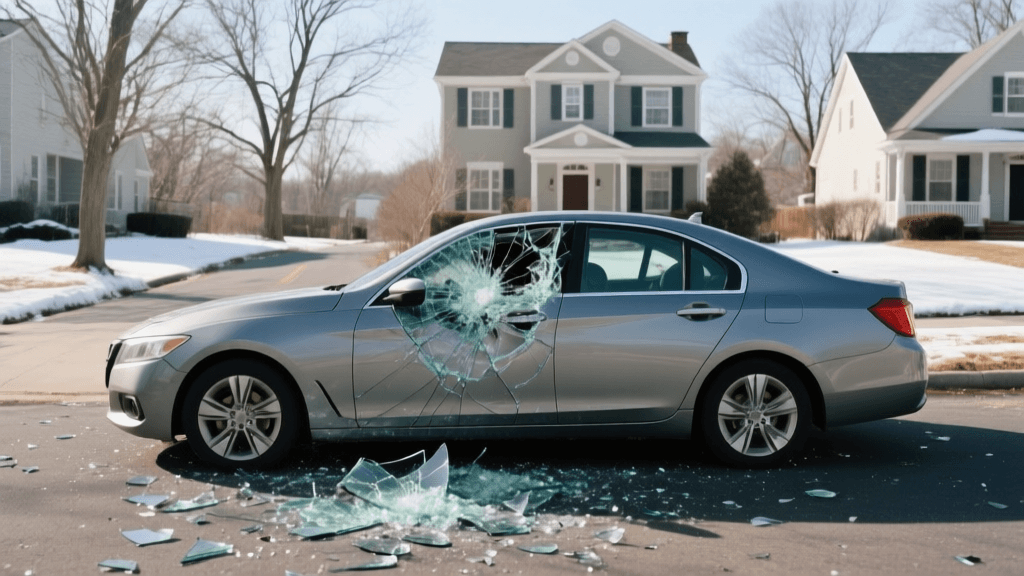
A chipped windshield may seem minor at first, but in Plainview it can turn into a much bigger problem quickly. Temperature swings, highway driving on routes near the Long Island Expressway and Northern State Parkway, and road debris from daily commuting can all cause a small chip to spread across the glass. Many drivers assume any windshield claim is automatically covered, yet the answer depends on the policy language. Full glass coverage can work differently from standard comprehensive coverage, and the difference affects whether a driver pays out of pocket, owes a deductible, or qualifies for a repair instead of a full replacement. Understanding that distinction helps Plainview drivers make faster and less expensive decisions.
What Full Glass Coverage Usually Means
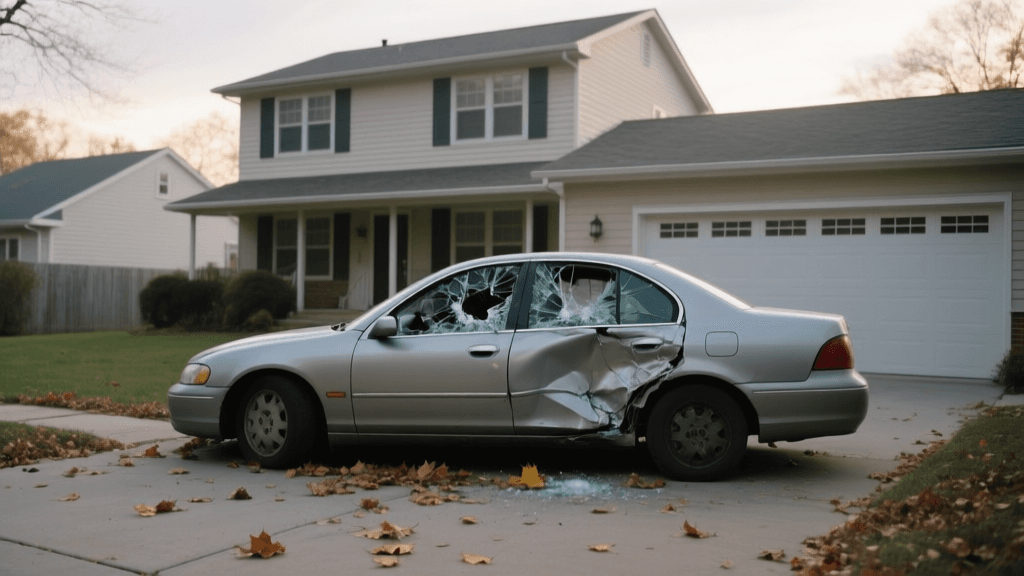
Full glass coverage generally refers to optional protection that helps pay for damage to a vehicle's glass without requiring the policyholder to pay the same deductible that might apply under comprehensive coverage. In practical terms, that can mean a windshield chip repair is covered in full, or a replacement is covered with reduced out-of-pocket cost depending on the policy. Not every New York auto policy includes this feature automatically, so drivers in Plainview should not assume it is built in. Some policies bundle glass under comprehensive only, while others offer separate full glass endorsements. The exact wording matters because repair, replacement, side glass, rear glass, and recalibration for modern safety systems may be treated differently.
When Insurance Pays for Repair Instead of Replacement
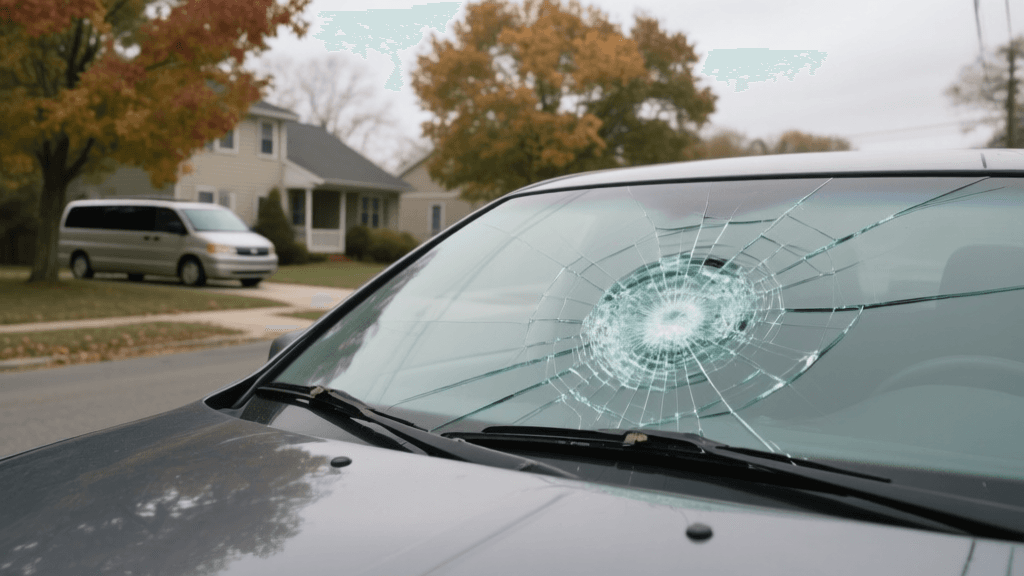
If the windshield has a small chip or short crack, insurers often prefer repair over replacement because it costs less and can restore structural strength when handled early. A repair is more likely to be approved when the damage is not directly in the driver's line of sight, has not spread to the edge of the glass, and does not interfere with cameras or sensors. For Plainview drivers, this matters because commuting through Bethpage, Hicksville, Levittown, and Farmingdale can expose a vehicle to gravel and construction debris, creating the kind of small impact damage that is repairable if addressed quickly. Waiting too long can turn a simple claim into a full replacement, which may change how coverage applies.
When a Full Replacement Is More Likely
Replacement is usually necessary when the crack is long, the damage reaches the edge of the windshield, multiple impact points are present, or the driver's visibility is affected. It may also be required when advanced driver assistance systems are built into the windshield area and safe recalibration cannot be done with a simple repair. Many newer vehicles driven around Plainview, Woodbury, Syosset, and Jericho include lane departure cameras, rain sensors, or collision warning equipment mounted near the windshield. That means the job is no longer just about installing new glass. The claim may involve recalibration costs, specialized parts, and manufacturer standards, all of which can influence whether the policy covers the full bill or leaves a portion to the driver.
The Role of Comprehensive Coverage and Deductibles
Many drivers hear the term full glass coverage, but their actual policy may only include comprehensive coverage for glass damage. Comprehensive generally covers non-collision events such as flying rocks, vandalism, falling objects, or storm-related damage. However, if there is no separate full glass endorsement, the comprehensive deductible may apply. That can make a major difference when deciding whether to file a claim for a modest repair. For example, a driver in Plainview with a high deductible may find that a small repair costs less than the deductible, while a full windshield replacement could still justify using insurance. Reviewing the declarations page before scheduling service can prevent surprises and help a driver understand the likely out-of-pocket amount.
Local Factors That Affect Glass Claims in Plainview
Plainview drivers deal with conditions that make windshield claims especially common. Heavy commuter traffic, seasonal freeze and thaw patterns, tree debris after storms, and active roadway maintenance across central Nassau County all raise the chance of chips and cracks. A vehicle parked outdoors in Oyster Bay, Huntington, or Massapequa may see a minor chip expand after a cold night followed by direct sun the next morning. Even regular travel between Plainview and Melville can expose a car to high-speed debris that hits harder than many drivers expect. Local claim decisions still depend on policy terms, but the frequency of these real-world risks makes it worthwhile for area drivers to understand glass coverage before damage happens.
What Drivers Should Check Before Filing a Glass Claim
Key Takeaways for Plainview Drivers
- Confirm whether the policy includes a separate full glass option or only comprehensive coverage for windshield damage.
- Check the deductible amount, because a small repair may cost less than the deductible while a replacement may justify a claim.
- Look at the location and size of the damage, since chips outside the driver's line of sight are often repair candidates.
- Ask whether recalibration for safety cameras and sensors is included when replacement is required on a newer vehicle.
- Take photos and address the damage quickly, because a delayed repair can become a larger crack that changes the claim outcome.
- Verify whether the insurer has claim procedures or preferred repair requirements before scheduling service in Plainview or nearby communities.

Next Steps After a Chip or Crack Appears
The best next step is to compare the damage against the policy details before the crack grows. A Plainview driver should review whether full glass coverage is listed, confirm if comprehensive applies, and find out whether a deductible or recalibration cost could still be owed. It also helps to document when the damage occurred and whether it resulted from road debris, weather, or vandalism, since those facts can affect how the claim is categorized. If the damage is spreading or obstructing visibility, waiting can create both safety and coverage issues. Getting a quote for repair or replacement, then comparing that cost to the policy terms, is usually the clearest way to decide whether using insurance makes financial sense.
Compare Windshield Coverage Before Damage Gets Worse
Review your auto policy details and compare repair and replacement costs so you can decide whether a glass claim makes sense in Plainview.
Get a Free Quote