Why Storm Damage Claims Matter in Plainview
A strong storm can damage a parked car in minutes, and in Plainview that often means more than just a few leaves on the windshield. Heavy rain, saturated ground, wind gusts, and older trees can all combine to bring down limbs or entire trunks onto vehicles in driveways, apartment lots, and neighborhood streets. Drivers are often surprised to learn that these losses are usually handled differently than collision claims. Understanding the most common car insurance claims after falling tree and storm damage in Plainview can help residents avoid delays, document damage correctly, and know what type of coverage may pay for repairs or a total loss.
Why This Topic Comes Up After Long Island Storms
Plainview drivers deal with a mix of weather risks that can affect vehicles year-round. Summer thunderstorms can bring sudden wind and lightning, fall storms can weaken branches, and winter systems can load trees with snow or ice before limbs crack and fall. Across Nassau County, mature trees line many residential roads and parking areas, which raises the chance of vehicle damage when the weather turns quickly. Insurance questions usually start with one issue: whether the driver carries comprehensive coverage. That part of an auto policy typically applies to non-collision events such as falling trees, hail, vandalism, and windblown debris, making it especially relevant in communities like Plainview, Bethpage, and Woodbury.
Falling Tree Claims Usually Involve Comprehensive Coverage
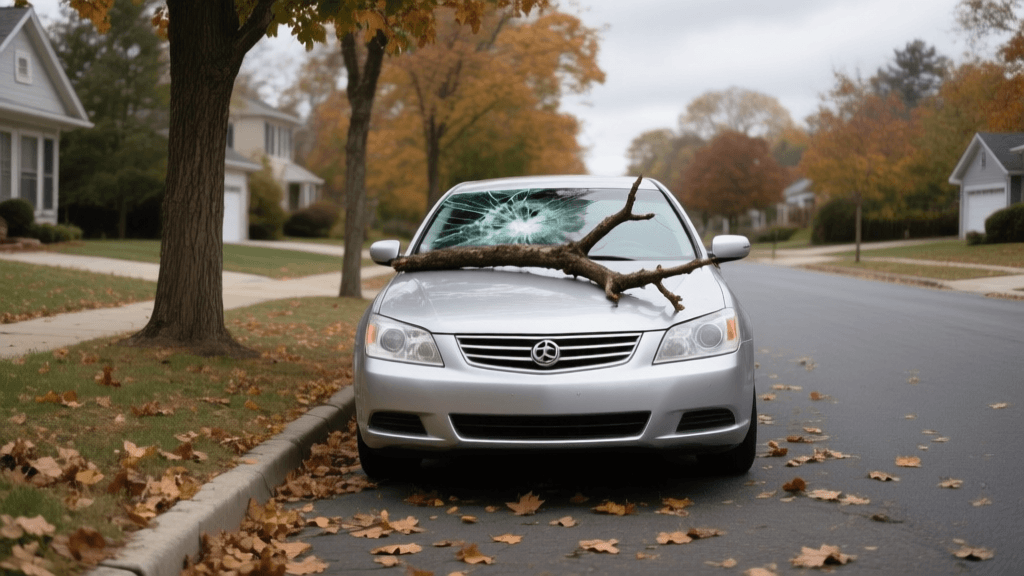
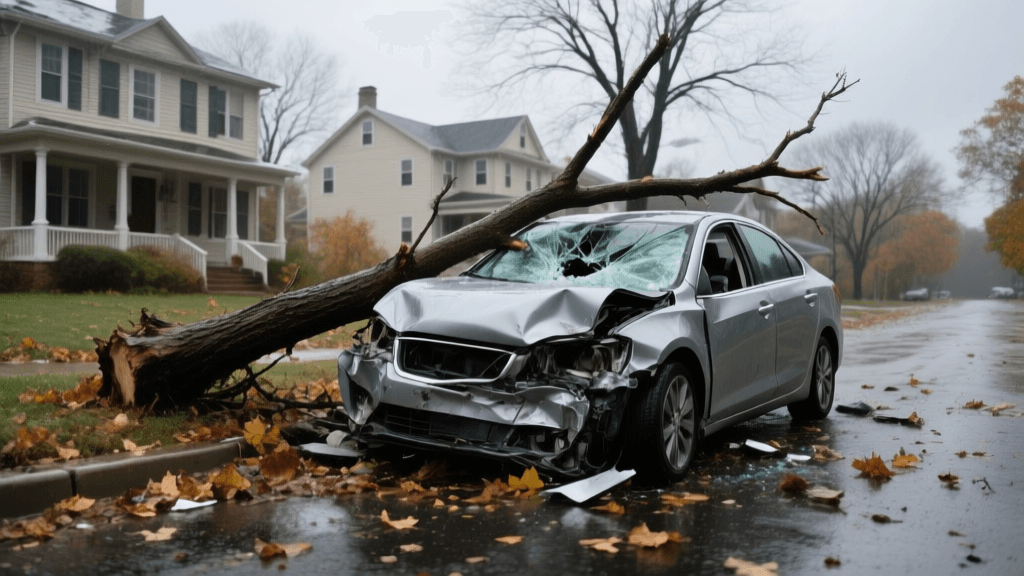
When a tree or large branch falls onto a car, the claim is commonly filed under comprehensive coverage rather than collision. That distinction matters because the deductible, claim handling, and cause of loss are all tied to a weather-related event instead of an impact with another vehicle or object while driving. For example, if a car is parked near a home in Plainview and a storm drops a heavy limb onto the roof, the insurer will usually look at photos, weather timing, repair estimates, and the policy deductible before paying for covered damage. If the vehicle is badly crushed, the claim may be settled as a total loss based on its actual cash value.
Other Common Storm Claims Include Hail, Flooding, and Flying Debris
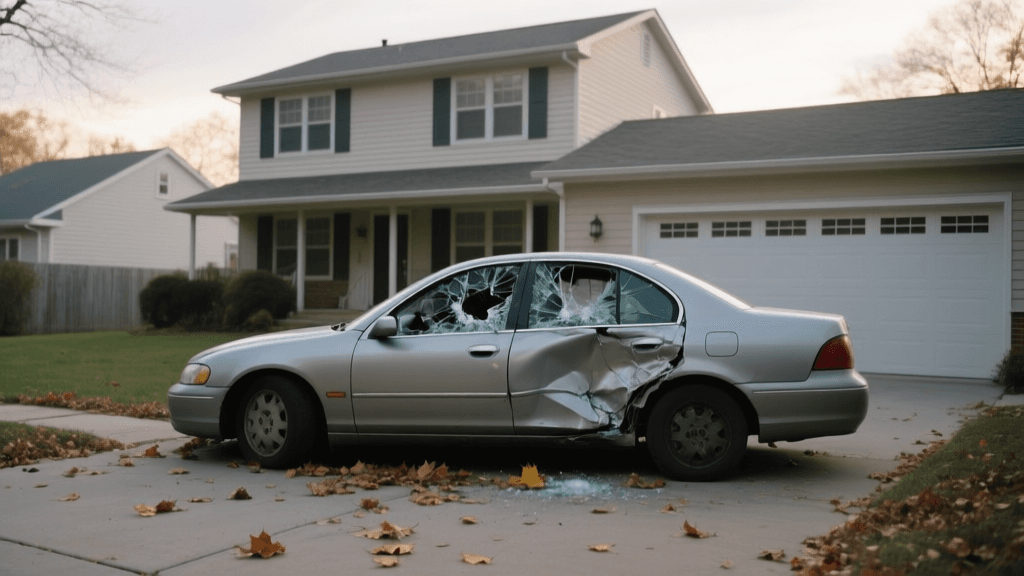
Not every storm claim involves a tree. In Plainview and nearby areas such as Hicksville, Syosset, and Jericho, drivers may also file claims for cracked glass, hood dents from hail, floodwater intrusion, or body damage from loose objects blown into the vehicle. A branch scraping down the side of a car during a windstorm, shingles striking the windshield, or a sign blowing into a parked SUV can all create repair bills that fall under comprehensive coverage in many policies. Water damage is especially expensive because it can affect electronics, carpeting, seat tracks, and engine components. Quick reporting matters because hidden moisture or electrical issues may worsen if the vehicle sits too long.
What To Do Right After Storm Damage Happens
The first step is safety. If a tree has brought down power lines or made the area unstable, drivers should stay clear and contact emergency or utility services before approaching the vehicle. Once the scene is safe, take wide and close photos of the damage, the tree or debris, the surrounding area, and anything that helps show timing and cause. Note the storm date, time, and location in Plainview, and save any weather alerts or neighborhood notices if available. After that, notify the insurer promptly and ask whether the car should be towed, inspected in place, or taken to a repair facility. Removing debris too quickly without documentation can make claim review harder.
Local Factors That Affect Claims in Plainview
Plainview has many residential blocks with mature landscaping, and that creates a very local claim pattern after bad weather. Cars parked along neighborhood streets, in shared condo lots, or beneath older shade trees may face a greater risk than vehicles kept in enclosed garages. Nearby communities like Levittown, Farmingdale, and Oyster Bay can see similar issues, but Plainview drivers often deal with dense residential parking and tree cover that make branch strikes more likely during wind events. Local road congestion can also delay towing and inspections after a storm, which is one reason it helps to understand coverage before damage happens. Even small claims can become expensive when glass, roof panels, and sensors are involved.
Key Takeaways for Drivers
Important Points To Remember
- Falling trees, branches, hail, and windblown debris are usually handled under comprehensive auto coverage rather than collision coverage.
- A claim may be denied for payment if the vehicle only carries liability coverage, so reviewing current coverage before storm season is important.
- Photos of the vehicle, the fallen tree or debris, and the overall scene can help show exactly what happened and support the claim.
- Storm-related water damage can affect electronics and safety systems, so even a car that still runs may need a thorough inspection.
- If repairs approach the car's actual cash value, the insurer may declare it a total loss instead of authorizing full repairs.

How Plainview Drivers Can Prepare Before the Next Storm
The best time to think about a storm claim is before the weather forecast gets serious. Plainview drivers can reduce risk by checking whether their policy includes comprehensive coverage, confirming the deductible is manageable, and understanding whether rental reimbursement is included if the car is unusable during repairs. It also helps to move vehicles away from large trees when wind or ice is expected, especially in exposed driveways or curbside spaces. Keeping recent photos of the vehicle, storing policy information where it is easy to access, and knowing how to report a claim can save time when damage occurs. Comparing coverage options and deductibles carefully is often the smartest next step for anyone reviewing auto insurance in Plainview.
Review Storm Coverage Before the Next Weather Alert
Compare auto insurance options in Plainview to see whether comprehensive coverage fits the way and where the vehicle is parked.
Get a Free Quote