
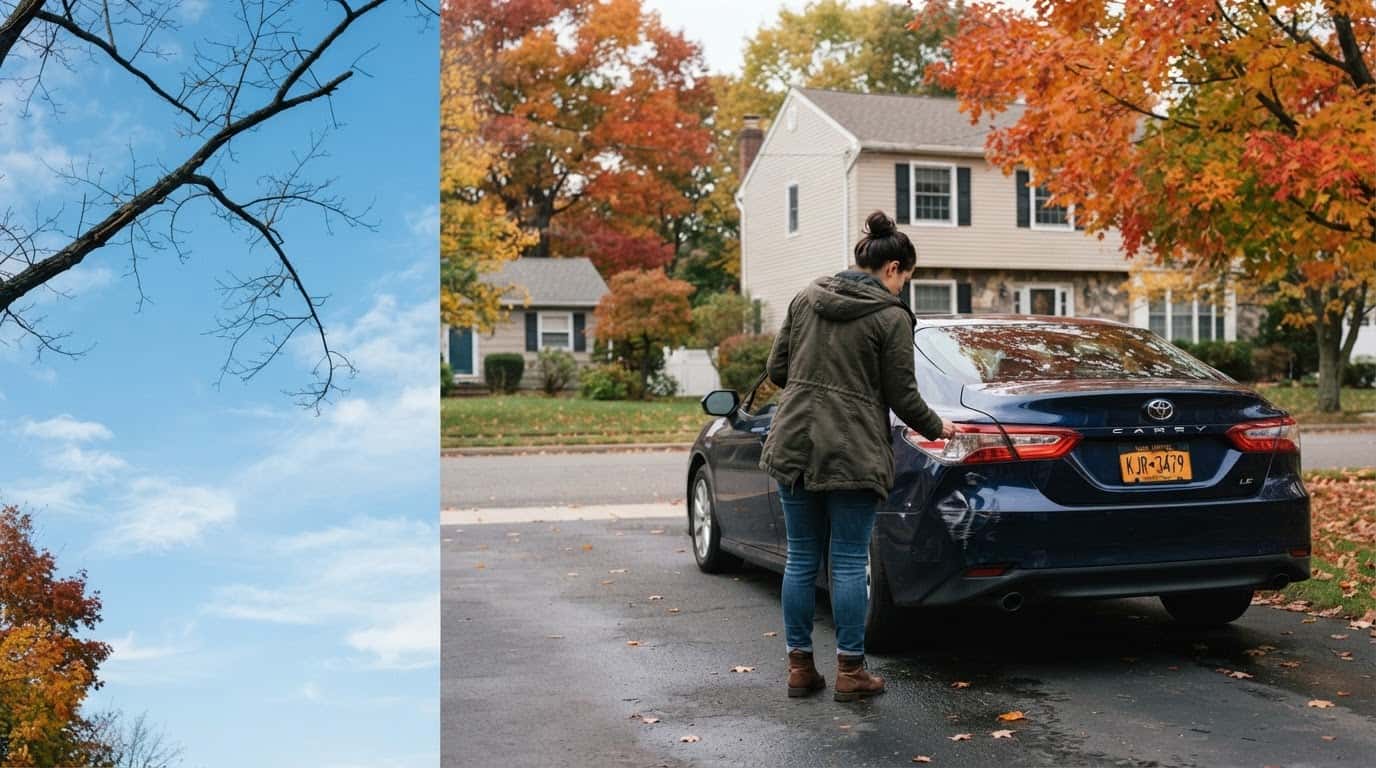
Why Deductibles Matter In Plainview
A deductible is the amount paid out of pocket before certain auto insurance coverage begins to pay. For drivers in Plainview, NY, choosing the right deductible can make a noticeable difference in both monthly premium and financial stress after an accident, theft, vandalism loss, or weather-related claim. On Long Island, where traffic density, parking lot damage, and storm exposure can all affect claim frequency, deductible decisions should be based on real local driving conditions rather than price alone.
What A Deductible Applies To
Deductibles most commonly apply to collision and comprehensive coverage. Collision coverage helps pay for damage to a vehicle after hitting another car or object, regardless of fault rules under the policy. Comprehensive coverage usually applies to non-collision losses such as theft, glass damage, fire, falling objects, vandalism, or storm damage. Liability coverage, which helps pay for injuries or property damage caused to others, generally does not have a deductible on a personal auto policy. New York drivers should always review policy forms carefully because deductible terms can vary by carrier and endorsement.
Common Deductible Choices
Many drivers in Plainview choose deductibles such as $250, $500, $1,000, or higher. A lower deductible usually means the policyholder pays less at claim time but more in premium. A higher deductible usually lowers premium but increases out-of-pocket cost after a covered loss. For example, a driver commuting through Hicksville, Bethpage, or Syosset every day may prefer a deductible that balances regular road exposure with manageable emergency savings. The right amount depends on vehicle value, savings, driving habits, and tolerance for risk.
Key Points
- Lower deductibles usually mean higher premiums
- Higher deductibles usually mean lower premiums
- Collision and comprehensive deductibles can be different amounts
- The best choice is the amount that can be paid without financial strain

How To Choose The Right Amount
Start by asking how much can be paid today if the car is damaged tomorrow. If a $1,000 deductible would force the use of credit cards or delay repairs, it may be too high even if it saves money on premium. Next, compare the annual premium difference between deductible options. If moving from a $500 deductible to a $1,000 deductible only saves a small amount each year, the added out-of-pocket risk may not be worthwhile. Drivers in Plainview, Jericho, and Woodbury with newer vehicles or lease obligations often focus on predictable repair costs and may lean toward lower deductibles.
Local Driving Risks On Long Island
Plainview drivers face local conditions that can influence deductible strategy. Heavy commuter traffic near major parkways, busy retail parking lots, stop-and-go travel through Levittown and Farmingdale, and seasonal storms across Nassau County can all increase the chance of minor or moderate damage claims. Comprehensive claims may also be relevant for falling tree limbs, windshield damage, or theft-related losses. A deductible should reflect the fact that some losses are inconvenient but common enough that out-of-pocket cost matters.
Vehicle Value, Loans, And Leases
If a vehicle is financed or leased, the lender or leasing company will usually require collision and comprehensive coverage. That does not always mean a specific deductible is required, but some finance agreements set maximum deductible limits. A newer car driven between Plainview and Melville or Huntington may justify lower deductibles because repair costs for sensors, cameras, and modern body panels can be high. An older vehicle with lower market value may call for a different approach, especially if carrying physical damage coverage is no longer cost-effective.
New York Insurance Considerations
New York requires minimum liability coverage and also operates under no-fault rules for certain injury-related claims, but collision and comprehensive deductible choices remain a separate property-damage decision. Policyholders in Plainview should review declarations pages, endorsements, and exclusions to understand exactly when a deductible applies. Carriers writing business in New York must be licensed by the state, and consumers can verify insurer status and review complaint information through state regulatory resources. Understanding these basics helps drivers compare options with more confidence.
When Filing A Claim Makes Sense
A deductible also affects whether filing a claim is practical. If damage is only slightly above the deductible, some drivers may choose to pay out of pocket to avoid using coverage for a small loss. For example, a driver in Oyster Bay or Massapequa with a $1,000 deductible may think differently about a $1,200 repair than a driver with a $250 deductible. Claim decisions should consider repair estimates, potential premium impact, and whether the loss involves another party, theft, or extensive damage.
How To Get Covered
To choose a deductible with confidence, gather the vehicle year, make, model, lienholder information, driving history, and current coverage details. Then compare multiple deductible scenarios for collision and comprehensive coverage. Ask how each option changes premium, whether glass claims are treated separately, and whether special endorsements alter claim costs. For drivers in Plainview and nearby communities such as Bethpage, Hicksville, and Syosset, the goal is a policy structure that protects the vehicle without creating an out-of-pocket burden that is unrealistic after a covered loss.
Trust Signals And Consumer Tips
Reliable auto insurance information should be based on policy language, New York insurance requirements, and carrier-specific underwriting rules rather than generic pricing advice. Drivers in Plainview should look for licensed insurers, clear disclosure of deductible terms, and documentation that explains claim procedures. It is also smart to review the policy after moving, replacing a vehicle, adding a teen driver, or changing commute patterns around Plainview, Woodbury, or Jericho. Regular reviews help keep deductibles aligned with both budget and local risk.
Answers to Your Auto Coverage Questions
A good deductible is one that keeps premium affordable while still being easy to pay after a covered loss. Many Plainview drivers compare $500 and $1,000 options because those amounts often offer a practical balance.
Not always. Some drivers in Plainview choose a lower comprehensive deductible because glass, storm, or theft-related claims can happen differently than collision losses on busy Long Island roads.
New York sets required minimum coverages, but deductible amounts for collision and comprehensive are typically selected from options offered by the insurer. Loan or lease agreements may also affect what is allowed.
It can be, especially if the vehicle has a lower market value and the savings in premium are meaningful. The decision should still account for repair costs and whether the car is financed.
Yes. Storms, falling branches, and windshield damage across Plainview, Farmingdale, and Oyster Bay may lead some drivers to pay closer attention to comprehensive deductible levels.
Other Protections to Explore
See how policies like gap insurance fit your Plainview driving needs.
Get Your Auto Quote Today
Compare instant quotes in minutes—built for Plainview drivers.