Why Roadside Assistance Matters in Plainview
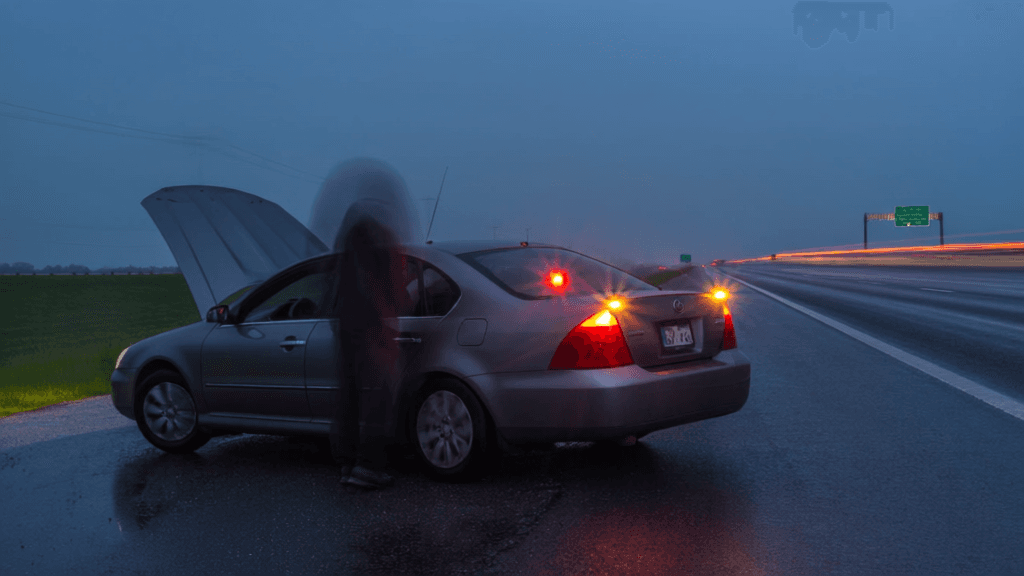
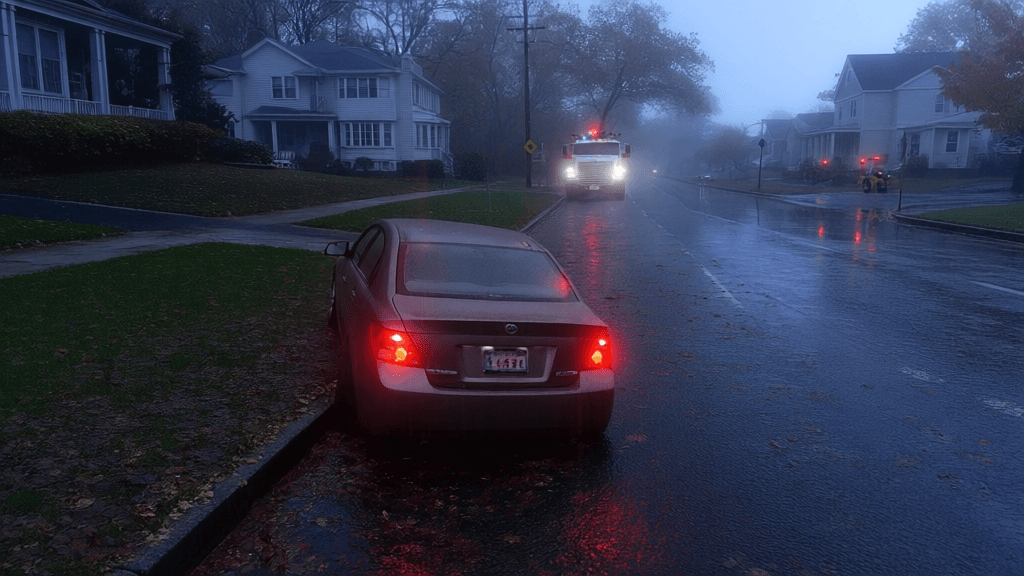
Roadside assistance sounds simple, but many drivers do not think about it until they are stuck in a parking lot with a dead battery or stranded on the shoulder with a flat tire. In Plainview, that can happen during winter cold snaps, heavy rain, or even a busy weekday commute on local roads connecting to the Long Island Expressway and Northern State Parkway. A small coverage add-on can make a major difference when time matters. This guide explains what roadside assistance usually covers, where limits often apply, and what Plainview drivers should check before adding it to an auto policy.
What This Coverage Is Designed To Do
Roadside assistance is meant to help with sudden, minor breakdown situations that leave a vehicle temporarily unusable. It is not the same as full mechanical repair coverage, and it usually does not pay to fix the underlying problem at a repair shop. Instead, it focuses on emergency services that can get the car moving again or get it safely transported. For drivers in Plainview, Bethpage, and Hicksville, that can include help after a battery failure in a shopping center lot, a flat tire on a local arterial road, or a lockout during a stop on an errand-filled weekend. The value is convenience, safety, and lower surprise costs.
Towing Is Usually The Core Benefit
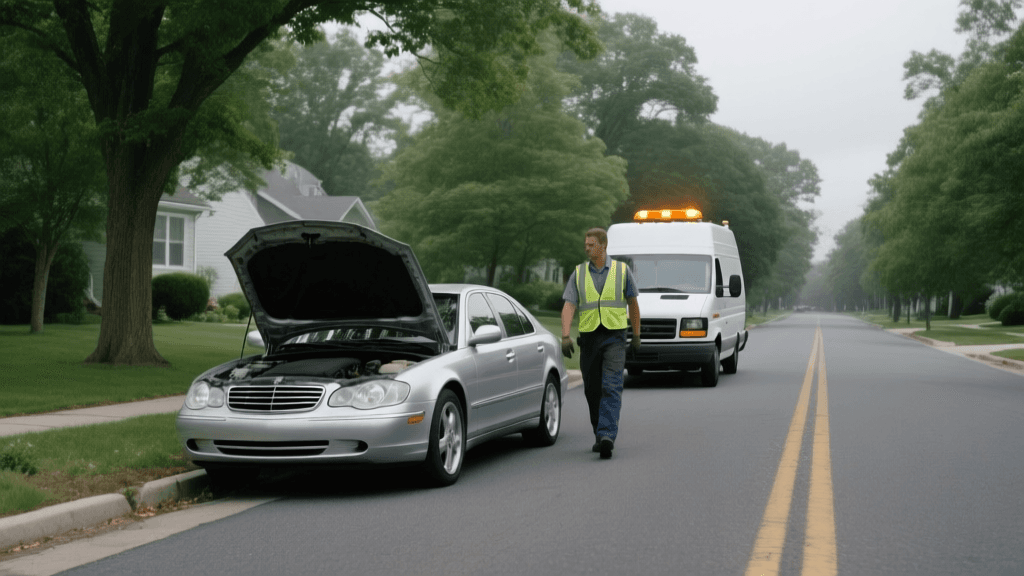
The most recognized part of roadside assistance is towing. If the vehicle cannot be safely driven after a breakdown, the policy may pay to tow it to a nearby repair facility, subject to mileage or dollar limits. That detail matters. Some plans tow to the nearest qualified shop, while others reimburse only up to a set amount. In Plainview and nearby areas like Syosset, Jericho, and Woodbury, towing distance can affect out-of-pocket cost if a driver prefers a specific mechanic farther away. Before relying on this coverage, it is smart to check whether towing is local only, whether after-hours service changes the cost, and whether reimbursement or direct dispatch is used.
Jump Starts, Battery Help, And Basic Disablement
Another common roadside assistance benefit is a jump start for a dead battery. This is especially useful for drivers who leave a dome light on overnight, do not drive often enough to keep the battery charged, or face battery stress during colder Long Island mornings. Some plans also include minor roadside labor for simple disablement issues, such as reconnecting a loose battery cable if that is the obvious problem. What they usually do not cover is the cost of a brand-new battery unless that service is specifically included. For drivers in Plainview, Farmingdale, and Melville, battery-related calls are among the most practical reasons to carry this coverage year-round.
Flat Tire Service And Lockout Assistance
Roadside assistance often covers help changing a flat tire using the insured vehicle’s working spare. That last part is important because the service call may be covered, but a replacement tire usually is not. If the spare is missing or unsafe, towing may be the only option. Lockout service is another frequent benefit, helping drivers regain access when keys are left inside the car. In crowded places around Plainview, Hicksville, or Levittown, that can save time and frustration fast. However, some policies limit how much they will pay for locksmith work, especially if special programming or advanced key replacement is required.
Fuel Delivery And What It Usually Means
Many drivers are surprised to learn that roadside assistance may include fuel delivery if the tank runs empty. The important distinction is that the service of bringing fuel may be covered, while the gasoline itself may need to be repaid. That is a common source of confusion. For someone driving between Plainview, Oyster Bay, Huntington, or Massapequa, this benefit can be helpful if traffic, long errands, or a faulty fuel gauge lead to trouble. Still, it is meant for emergencies, not regular convenience. Drivers should also check whether diesel vehicles, electric vehicles, or specialty fuel situations are handled differently under the roadside assistance terms.
What Roadside Assistance Usually Does Not Cover
Roadside assistance has limits, and understanding them prevents disappointment during an emergency. It generally does not cover collision damage, major mechanical repairs, routine maintenance, tire replacement, parts, or extended labor at a shop. It may also exclude repeated calls for the same unresolved issue or service on vehicles that are not listed on the policy. Some plans cap the number of annual uses, which matters for households with older cars. In Plainview, where many families juggle commuting, school pickups, and local shopping trips, those limits should be reviewed carefully. Cheap coverage can still be worthwhile, but only if the driver understands exactly what is included.
Why Local Driving Patterns Matter In Plainview
Plainview drivers face a mix of suburban stop-and-go traffic, school zone congestion, shopping center parking lots, and quick highway access that can turn a minor issue into a bigger interruption. A dead battery in a driveway is inconvenient, but a breakdown near busy Nassau County routes can raise safety concerns quickly. Nearby communities such as Bethpage, Syosset, and Jericho add short but frequent driving patterns that may hide battery weakness or tire wear until the wrong moment. That is why roadside assistance is often most valuable for local drivers who make many short trips. It is less about dramatic long-distance travel and more about everyday reliability close to home.
Key Takeaways For Comparing Coverage
- Check towing limits closely because mileage caps and preferred repair shop rules can change the real value of the coverage.
- Confirm whether the plan includes jump starts, flat tire service, lockout help, and fuel delivery, since not every insurer bundles each service the same way.
- Ask whether the policy pays providers directly or reimburses the driver later, because reimbursement can mean paying out of pocket first.
- Review annual usage limits and exclusions for repeat breakdowns, replacement parts, specialty keys, and non-covered repair work.
- Compare the roadside add-on cost against how often the vehicle is driven, its age, battery condition, and whether the household has more than one car.

Smart Next Steps Before You Need Help
The best time to review roadside assistance is before the next breakdown, not while waiting on the side of the road. Plainview drivers should compare policy language, dispatch methods, towing limits, covered services, and reimbursement rules side by side. It also helps to think about the vehicle itself. An older car with an aging battery, worn tires, or frequent warning lights may benefit more from this add-on than a newer vehicle still under manufacturer support. Keep the insurer contact method easy to access, store a spare tire that is actually usable, and confirm that all regular household drivers know how the coverage works. Small preparation now can prevent larger stress later.
Compare Roadside Assistance Options
Review local auto insurance options in Plainview to see how roadside assistance benefits, towing limits, and service terms differ before you need emergency help.
Get a Free Quote