Why GAP Coverage Gets Attention From Car Buyers
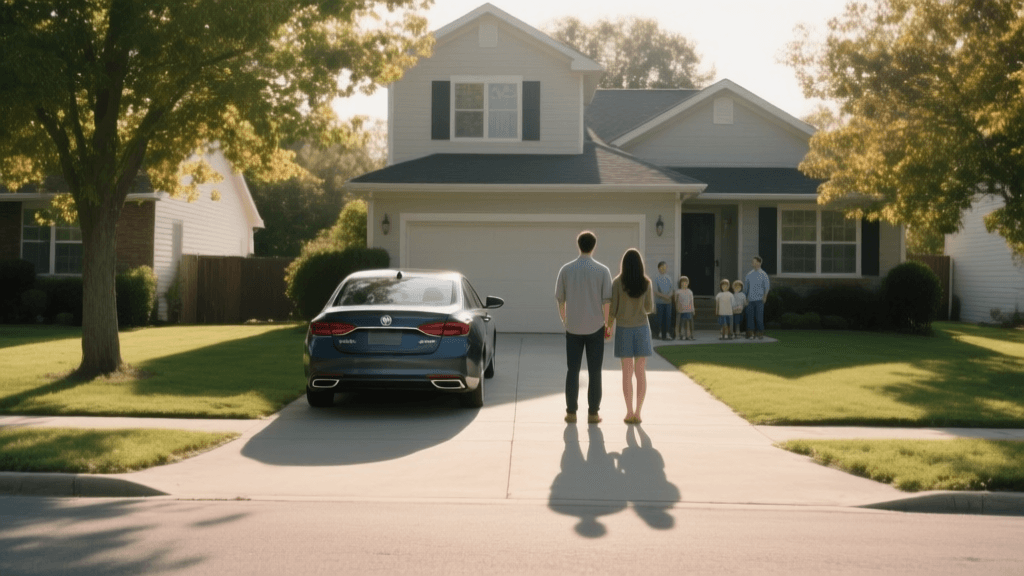
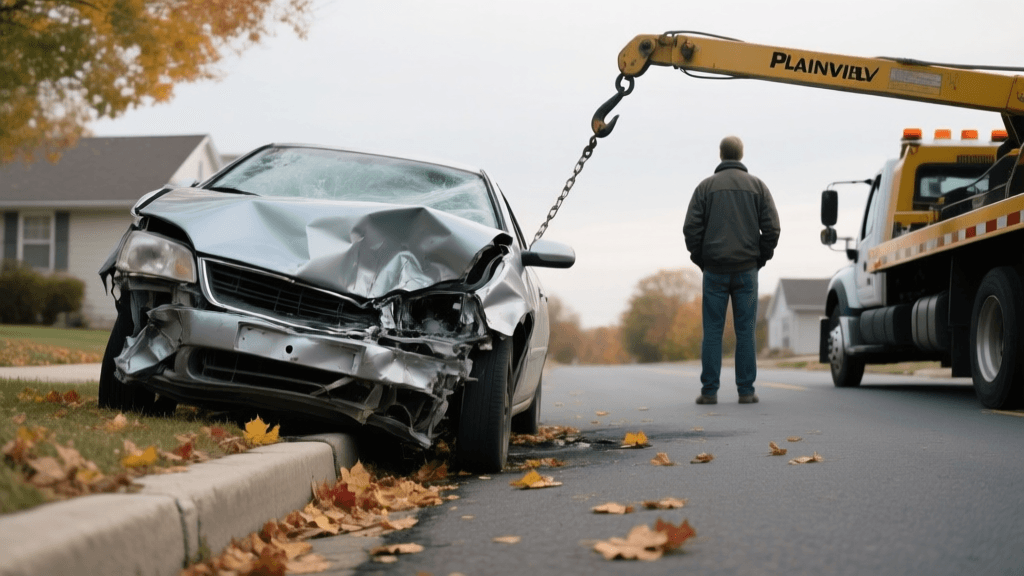
GAP coverage matters because cars usually lose value faster than auto loans are paid down, especially in the first years after purchase. If a financed or leased vehicle is totaled in a covered claim, the insurer typically pays the car’s actual cash value, not the remaining loan balance. That difference can surprise drivers in Plainview who assumed their regular policy would clear the full debt. For local buyers choosing longer loan terms, small down payments, or rolling old loan balances into a new purchase, the risk can be even higher. Understanding GAP coverage early helps avoid a stressful out-of-pocket bill after an already difficult loss.
How This Coverage Fits Into Today’s Car Market
Vehicle prices, interest rates, and financing habits have changed the conversation around GAP coverage. Many drivers in Plainview, Bethpage, and Hicksville are financing more expensive vehicles over longer periods, which can leave them upside down for a meaningful stretch of time. That simply means the loan balance is higher than the car’s market value. Add in fast depreciation during the first year, and a total loss from a crash, theft, or severe weather event can create a financial gap. GAP coverage is designed for that specific situation. It is not a substitute for liability, collision, or comprehensive insurance, but an add-on that addresses a narrow and important financial exposure.
What GAP Coverage Actually Pays For
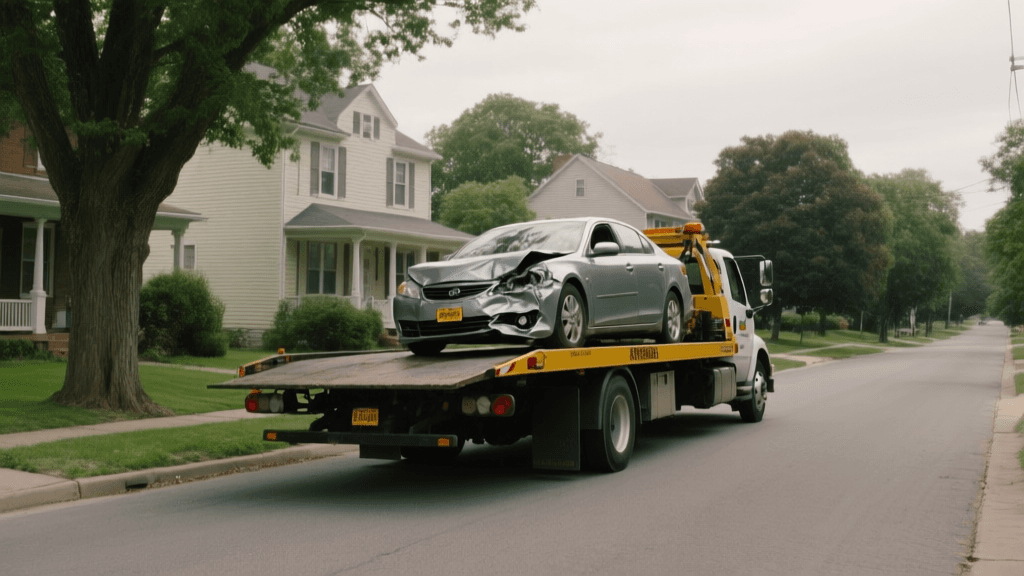
In simple terms, GAP coverage may help pay the difference between the insurance settlement for a totaled vehicle and the remaining balance on a qualifying loan or lease. For example, if a driver in Plainview owes $28,000 on a car loan but the vehicle’s actual cash value is only $23,500 at the time of a covered total loss, GAP could help with that $4,500 shortfall, subject to policy terms. This can be especially useful for buyers who made a low down payment or selected a loan with a long repayment period. It is important to remember that GAP usually applies only after a total loss, not for routine repairs, maintenance costs, or missed loan payments.
When Plainview Drivers Are Most Likely To Need It
GAP coverage is often most useful when a buyer puts little money down, chooses a loan longer than 60 months, leases a vehicle, or buys a model that depreciates quickly. It can also matter when negative equity from an older car is added into a new loan. That situation is not unusual for drivers shopping in and around Levittown, Farmingdale, or Syosset, where commuters may replace vehicles before an old loan is fully paid off. New cars tend to lose value quickly once driven off the lot, so the first one to three years are often the period of highest exposure. Buyers should compare their projected loan balance against estimated vehicle value, not just focus on the monthly payment.
What GAP Coverage Usually Does Not Include
One common misunderstanding is that GAP coverage pays every cost connected to a totaled vehicle. In reality, it often does not cover overdue payments, late fees, extended warranties, security deposits, or add-on products folded into the financing contract. Some forms also limit how much negative equity can be covered if an older loan was carried into the new one. That is why Plainview buyers should read the terms closely and ask for a plain-language explanation before agreeing to any finance office product or policy endorsement. The name sounds broad, but the protection is specific. Knowing the exclusions can prevent disappointment when a claim happens.
Local Factors That Make The Conversation Relevant
In Plainview and nearby communities such as Woodbury, Jericho, Melville, and Oyster Bay, many households rely on their vehicles for commuting, school runs, shopping, and regional travel. A serious crash on busy roads or a theft loss can turn into a financial problem quickly if the car is financed above its value. Local drivers often balance practical needs like all-wheel drive, family-size SUVs, and newer safety features, which can increase purchase prices and loan amounts. That does not mean every buyer needs GAP coverage, but it does mean the question is worth asking. In a market where replacing a totaled vehicle can be expensive, understanding this protection is a smart step.
How To Decide If It Makes Sense For Your Situation
The best way to evaluate GAP coverage is to look at numbers, not sales pressure. Start with the purchase price, down payment, trade-in value, loan term, interest rate, and whether any old loan balance is being added to the new financing. Then compare that information with how quickly the vehicle is likely to depreciate. A buyer in Plainview, Massapequa, or Huntington who made a substantial down payment on a modestly priced used car may have little need for GAP. By contrast, someone financing a new vehicle with minimal money down could have a much bigger exposure. The right answer depends on equity position, not just whether the product is offered.
Key Takeaways For Plainview Car Buyers
- GAP coverage is meant for a covered total loss when the car’s value is lower than the remaining loan or lease balance.
- It is most often worth reviewing for new cars, low down payments, long loan terms, leases, or loans carrying over negative equity.
- Regular auto insurance usually pays actual cash value, so it may not erase the full debt on a financed vehicle.
- Policy terms matter because GAP often excludes late fees, missed payments, and some dealer add-ons.
- Checking loan details before signing can help a buyer decide whether the added cost matches the real financial risk.

What To Do Before You Finalize Coverage
Before accepting or declining GAP coverage, Plainview car buyers should ask for a full breakdown of what is being purchased, who provides it, how claims are handled, and when the coverage ends. It also helps to compare the cost through the dealer, lender, or auto insurance policy if that option is available. Buyers should confirm whether there is a cancellation right if the loan balance later falls below the vehicle’s value. Most importantly, pair this decision with a review of collision and comprehensive coverage, because GAP generally only comes into play after a covered total loss under the main auto policy. A careful comparison now can prevent a costly surprise later.
Compare Auto Coverage Before You Sign
Review loan details, vehicle value, and total-loss protection options carefully before choosing coverage for a financed or leased car in Plainview.
Get a Free Quote