Why PIP Matters After a Crash in Plainview
After an accident, many Plainview drivers assume the at-fault driver’s insurance pays every bill immediately. In New York, that is not usually how the first stage of an injury claim works. Personal Injury Protection, often called PIP or no-fault coverage, is generally used first for the injured person’s own basic economic losses, regardless of who caused the crash. That can include medical treatment, certain lost earnings, and other necessary expenses tied to the injury. For drivers commuting on Old Country Road, the Northern State Parkway, or local routes through Bethpage and Hicksville, understanding when PIP applies can make the days after a collision much less confusing.
How New York No-Fault Rules Shape the Process
New York’s no-fault system was designed to get some benefits moving faster after a crash without waiting for fault to be fully argued. That matters in a busy Long Island setting where even a lower-speed rear-end collision can lead to urgent care visits, follow-up appointments, diagnostic imaging, and time away from work. In practical terms, a Plainview driver who is hurt in an accident often submits injury-related expenses through PIP first, even if another motorist clearly caused the wreck. This system does not mean fault never matters. It means basic injury expenses are typically handled through no-fault channels first, while larger liability disputes may develop separately if the injuries are serious enough.
Scenario One: Medical Bills Start Arriving Right Away
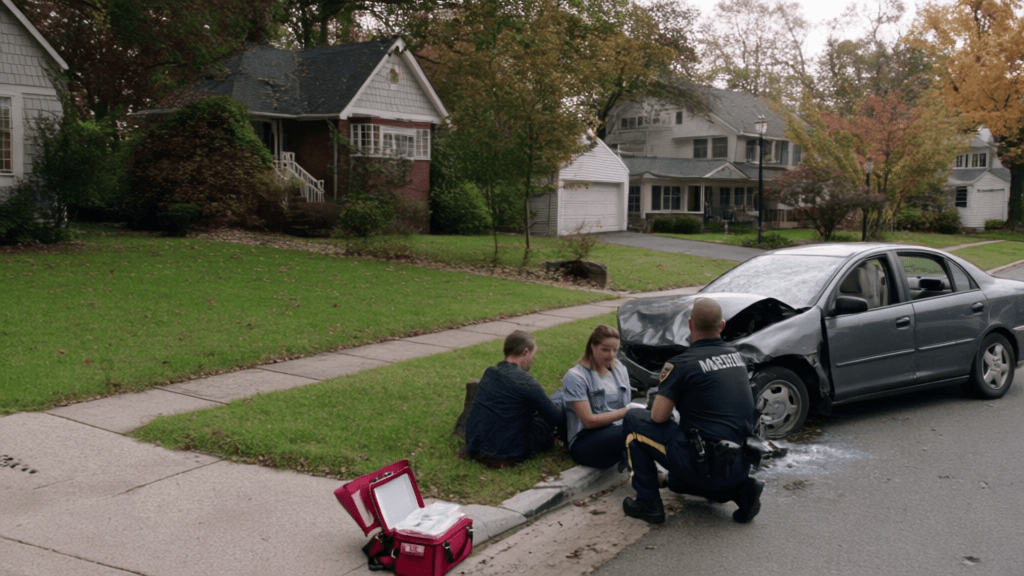
One of the most common times Plainview drivers use PIP is when treatment begins immediately after a collision. A driver may leave the scene feeling shaken but stable, then develop neck pain, back stiffness, headaches, or knee pain later that day. An emergency room visit, ambulance transport, X-rays, physical therapy, and specialist evaluations can add up quickly. PIP is commonly the coverage used first for those injury-related medical expenses up to the policy’s applicable limits and subject to New York rules. This is especially important for Nassau County commuters who cannot afford to delay treatment while waiting for fault investigations, repair estimates, or statements from multiple insurers.
Scenario Two: The Injury Keeps You Out of Work
PIP is also commonly used when an injured driver cannot return to work right away. For example, a Plainview resident with a daily commute to Melville or Huntington may be told by a doctor to rest for several weeks after a crash. If the injury prevents normal job duties, no-fault benefits may help with a portion of lost earnings, again subject to policy terms and legal limits. This can be especially important for hourly workers, tradespeople, delivery drivers, and small business employees who depend on consistent physical ability. Keeping wage records, doctor notes, and employer documentation organized early can make this part of the claim process much smoother.
Scenario Three: You Were a Passenger or Pedestrian
Drivers are not the only people who may rely on PIP after a collision. In New York, passengers and even pedestrians struck by a vehicle can also find themselves using no-fault benefits for injury-related losses. A Plainview family member riding in a car on South Oyster Bay Road, or a pedestrian hit near a shopping area in Hicksville or Syosset, may need immediate medical care even before fault is sorted out. In those situations, PIP can become the practical first step for covering eligible medical costs and related economic losses. This is one reason no-fault coverage remains so important in dense suburban areas where traffic, parking lots, and busy intersections create frequent low- to moderate-speed impact risks.
What PIP Usually Does Not Handle
It is just as important to know what PIP is not designed to do. PIP generally focuses on basic economic losses, not every consequence of a crash. Vehicle repairs, damage to another car, and broader pain and suffering claims are usually separate issues. A Plainview driver dealing with both injuries and major property damage may end up managing more than one claim path at the same time. That can feel overwhelming after a wreck on heavily traveled roads near Jericho, Woodbury, or Levittown. Knowing the difference between no-fault injury benefits and liability or collision claims helps drivers avoid assuming one part of the policy covers every loss connected to the accident.
Local Factors That Make PIP Especially Relevant in Plainview
Plainview drivers face a traffic environment where stop-and-go commuting, shopping center congestion, school traffic, and parkway access all increase the chance of injuries that seem minor at first but become disruptive within a day or two. A crash near local commercial corridors may not total a vehicle, yet the occupants can still end up needing treatment and missing work. Nearby communities like Bethpage, Farmingdale, Oyster Bay, and Massapequa add to regional traffic flow, especially during peak commuting hours. In that setting, PIP matters because it addresses the immediate human cost of a crash, not just the metal damage. For many households in Plainview, quick access to no-fault benefits can reduce financial stress while recovery begins.
Key Takeaways for Plainview Drivers
- PIP is generally the first coverage used for an injured person’s basic economic losses after a New York auto accident, no matter who caused the crash.
- Common reasons to use PIP include emergency treatment, follow-up care, therapy, diagnostic testing, and a temporary loss of income after the injury.
- Passengers and pedestrians may also rely on no-fault benefits after a collision, which makes PIP relevant beyond the person behind the wheel.
- PIP does not usually handle every crash-related loss, so property damage and larger liability issues often follow a separate claim path.
- Fast reporting, complete medical documentation, and organized wage records can help a no-fault claim move more efficiently after a Plainview accident.

What To Do Next After an Accident Involving Injuries
If a crash in Plainview leads to injuries, the most practical next step is to seek appropriate medical attention and report the accident to the insurer promptly. From there, keep copies of medical bills, treatment plans, work excuses, receipts, and any communication tied to the claim. Drivers in Plainview, Bethpage, Jericho, and surrounding Nassau County communities should also review the policy carefully so they understand PIP limits, optional endorsements, and how no-fault fits with the rest of the coverage. When comparing auto insurance, it helps to look beyond the price alone and pay close attention to how injury-related benefits may function in a real-world accident scenario.
Compare Auto Coverage With PIP In Mind
Before the next commute through Plainview, review how no-fault benefits, limits, and optional protections could affect costs after an injury crash.
Get a Free Quote