Why This Question Matters in Plainview
A lot of drivers in Plainview assume full coverage automatically protects every upgrade on a leased or financed car, but that is often not how an auto policy works. Standard physical damage coverage usually pays for the vehicle as it was originally equipped, not necessarily for added wheels, custom audio, lighting, spoiler kits, wraps, or other aftermarket improvements. That difference becomes important when a storm, crash, theft, or vandalism claim happens and the lender or leasing company still expects the vehicle to be repaired to acceptable condition. If a car in Plainview has money invested beyond the factory setup, custom parts coverage may be the piece that keeps an owner or lessee from paying a large amount out of pocket.
How Leases, Loans, and Insurance Usually Intersect
When a car is financed, the lender has a financial interest in the vehicle until the loan is paid off. With a lease, the leasing company still owns the car and sets rules about condition, repairs, and modifications. In both cases, insurance is there first to protect the value of the vehicle securing that contract. In Plainview and throughout New York, lenders commonly require collision and comprehensive coverage, but that does not automatically mean they cover the value of custom parts you added later. A policy may settle a claim based on stock replacement parts or actual cash value, leaving a gap between what was installed and what the insurer is obligated to pay. That is why reading both the finance or lease agreement and the policy endorsements matters.
What Counts as Custom Parts Coverage
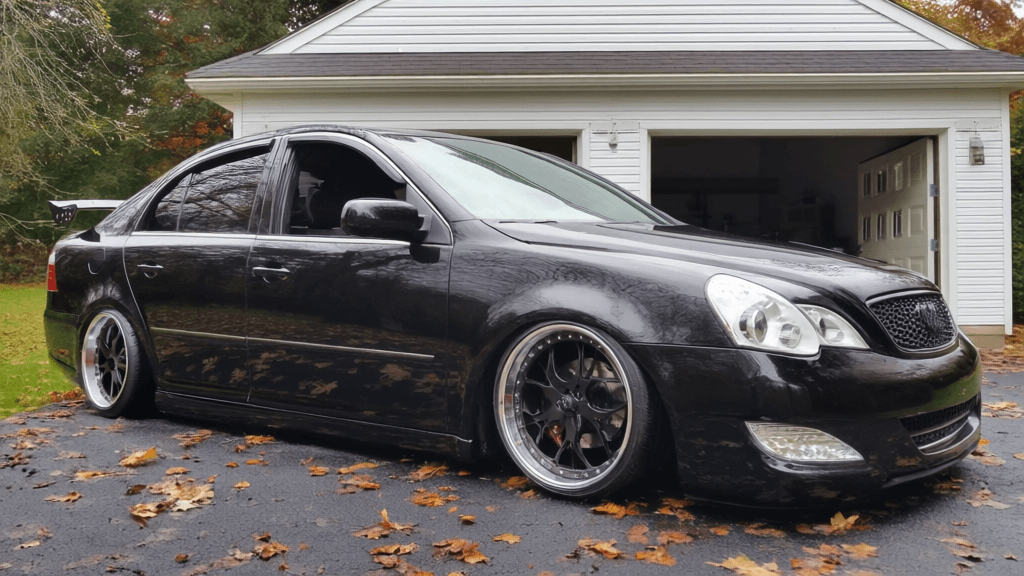
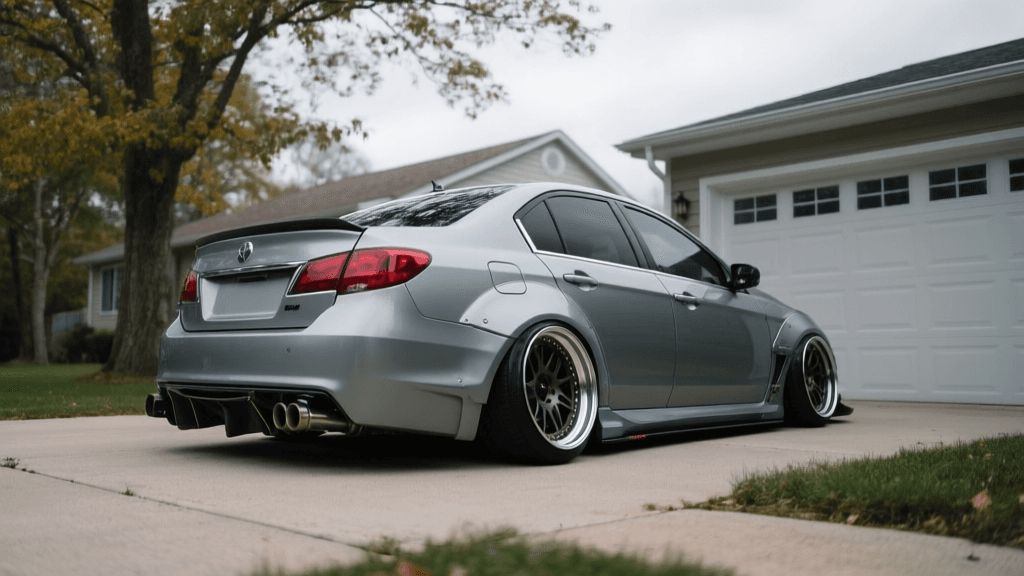
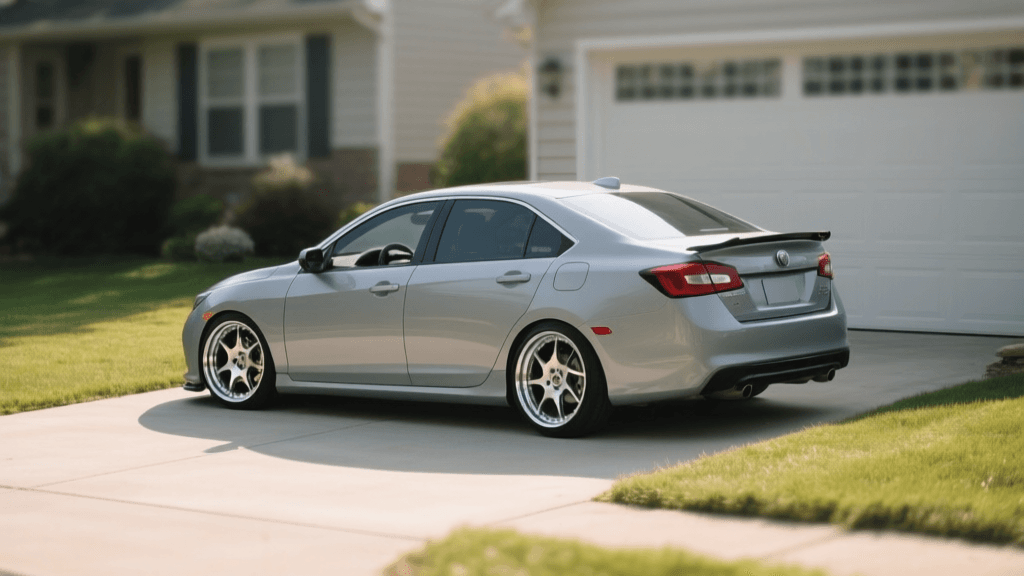
Custom parts and equipment coverage is designed for items that were not part of the vehicle’s original manufacturer package. This can include upgraded rims, a premium stereo system, custom paint, running boards, lift kits, performance exhaust components, security systems, and specialized electronics. Some policies include a small built-in allowance for aftermarket equipment, while others require a separate endorsement to insure it properly. For a Plainview driver, the key issue is not just whether the car looks modified, but whether replacing those items after a loss would cost more than the policy automatically includes. If the answer is yes, adding scheduled or endorsed custom parts coverage can prevent a painful surprise during claim settlement.
When It Is More Likely to Be Worth the Cost
Custom parts coverage is usually easier to justify when the upgrades are expensive, difficult to replace, or likely to be noticed during lease return or post-accident inspection. A financed SUV in Plainview with several thousand dollars in wheel, tire, and audio upgrades presents more risk than a sedan with a small phone mount and floor liners. The same logic applies if modifications increase theft appeal or repair complexity. In nearby areas like Hicksville, Bethpage, and Syosset, daily commuting, crowded parking lots, and weather exposure can raise the odds of damage to visible upgrades. If replacing your added equipment would strain your budget, then the premium for extra coverage may be minor compared with the potential uninsured loss.
When It May Not Make Financial Sense
There are also situations where adding this coverage may not be worth it. If the modifications are minimal, removable, already depreciated heavily, or not allowed under the lease, paying extra premium may offer limited value. For example, a Plainview lessee who installed low-cost accessories that can be taken off before the vehicle is returned may be better off self-insuring that small risk. The same may be true if the car is near the end of the loan term and the upgrades no longer hold much replacement value. It is also important to remember that some modifications can create underwriting issues or affect claim handling if they were not disclosed. Coverage only helps when the insurer knows what is on the vehicle and agrees to insure it.
Common Claim Scenarios Plainview Drivers Overlook
Many drivers think first about major collisions, but smaller losses are often where custom parts coverage proves useful. A stolen set of upgraded wheels, water damage to a custom sound system after heavy rain, vandalism to a wrap, or a cracked aftermarket bumper in a parking lot can all produce claim disputes if the policy was written for a stock vehicle. In Plainview, where cars may spend long hours parked at shopping centers, train lots, apartment complexes, or along busy roads toward Jericho and Woodbury, minor but expensive damage is not unusual. These are the moments when a driver learns the difference between insuring the car’s factory value and insuring the actual money invested in the vehicle.
Local Factors Around Plainview and Nearby Communities
Plainview drivers deal with a mix of suburban commuting, retail traffic, expressway access, and year-round weather that can increase wear and claim frequency. Trips through Levittown, Farmingdale, Melville, and Huntington often mean crowded parking areas and higher chances of dings, scrapes, or theft-related losses involving visible upgrades. Winter road salt can also affect custom wheels and exterior accessories, while summer storms can lead to falling branches, water intrusion, and hail-related damage. In Nassau County, where many vehicles are kept in driveways or open lots rather than enclosed garages, added equipment may face more exposure than owners realize. That local risk profile can make custom parts coverage more relevant than it might seem on paper.
What to Review Before Deciding
Key Takeaways
- Check the lease or finance contract to see whether modifications are allowed and whether the vehicle must be restored before return or payoff.
- Ask how much, if any, custom equipment coverage is already included in the policy before assuming aftermarket parts are protected.
- Make a list of every upgrade with receipts, photos, and installation dates so claim valuation is easier if damage or theft occurs.
- Compare the annual premium for added coverage against the realistic replacement cost of wheels, electronics, wraps, lighting, or suspension changes.
- Confirm whether claim payment is based on actual cash value, stated limits, or specific endorsements because that wording changes the outcome.

A Practical Next Step for Plainview Drivers
The smartest move is to review the car the way an adjuster would, not the way a driver sees it every day. Start with the stock version of the vehicle, then list everything added after purchase or lease signing, from wheels and tint to electronics and body styling. Next, compare that list against the policy declarations and endorsements to see what is actually insured. For drivers in Plainview, Oyster Bay, Massapequa, and nearby communities, this kind of review can quickly show whether the value at risk is small or significant. If the upgrades would be expensive to replace and the car is leased or financed, custom parts coverage is often worth serious consideration before the next claim tests the policy.
Compare Coverage Before a Claim Happens
Review standard physical damage limits, lender requirements, and custom equipment options before deciding whether extra protection fits your vehicle.
Get a Free Quote